A small ceiling stain after a hard Minnesota storm rarely stays small for long. What looks cosmetic from inside can point to lifted shingles, compromised flashing, hail impact, or moisture working its way deeper into the roof system. That is why roof repair inspection services matter – they give you a clear picture of what is happening now, what needs attention soon, and what can wait.
For homeowners and property managers, the real value of an inspection is not just finding damage. It is reducing guesswork. A reliable inspection helps you understand whether you are dealing with a minor repair, broader storm-related issues, or signs that the roof is nearing the end of its useful life. That difference matters when you are protecting a home, planning a budget, or deciding how to move forward with insurance.
What roof repair inspection services actually cover
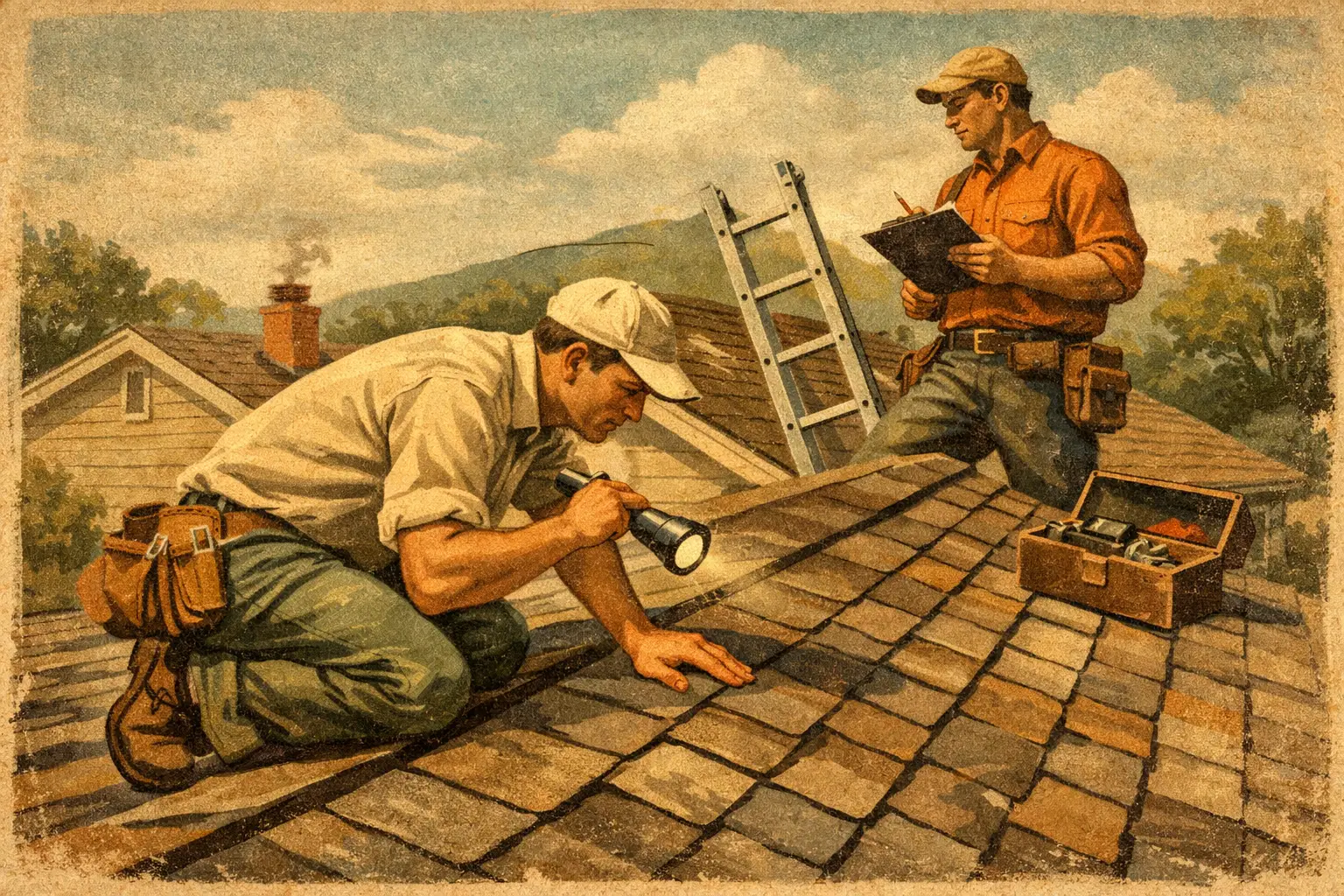
A professional roof inspection is more than a quick glance from the ground. It should evaluate the visible condition of the roofing materials, identify active and potential problem areas, and connect those findings to practical next steps. On a residential roof, that often means checking shingles, vents, flashing, valleys, pipe boots, roof penetrations, gutters, soffit, and fascia. On commercial properties, it may include membrane seams, drainage points, ponding areas, rooftop units, and signs of movement or puncture damage.
Just as important, the inspection should consider how Minnesota weather affects performance. Ice dams, freeze-thaw cycles, wind-driven rain, hail, and heavy snow loads can create damage that is not obvious from the street. A missing shingle is easy to see. Subtle granule loss, loosened seal strips, or flashing that has started to separate takes a trained eye.
A strong inspection also separates urgent repair issues from normal aging. Every worn roof does not need replacement, and every leak is not a sign of total failure. Sometimes a targeted repair is the right answer. Sometimes multiple weak points make repair less cost-effective. The inspection is where that judgment starts.
When to schedule roof repair inspection services
Many property owners wait until water shows up inside. By then, the problem has usually been developing for a while. The better time to schedule roof repair inspection services is when there is a reason to suspect change, not just proof of failure.
Storm activity is the most obvious trigger. After hail, high winds, or heavy snow, an inspection can reveal damage before it becomes interior loss. The same goes for roofs that are simply aging. If your roof is getting older and you have noticed loose shingles, repeated minor leaks, rising energy bills, or clogged gutters filled with roofing granules, an inspection can clarify whether repair still makes sense.
There are also practical timing points that owners sometimes overlook. Before listing a home, before winter, after ice dam issues, or when buying a property, an inspection gives you leverage and clearer expectations. Commercial owners often benefit from scheduled assessments because small drainage or membrane issues can spread quickly across larger roof areas.
What inspectors look for during a repair-focused visit
A repair-focused inspection is not just about documenting defects. It is about identifying the source of the issue and the scope of the solution. That distinction matters because symptoms and causes are not always in the same place.
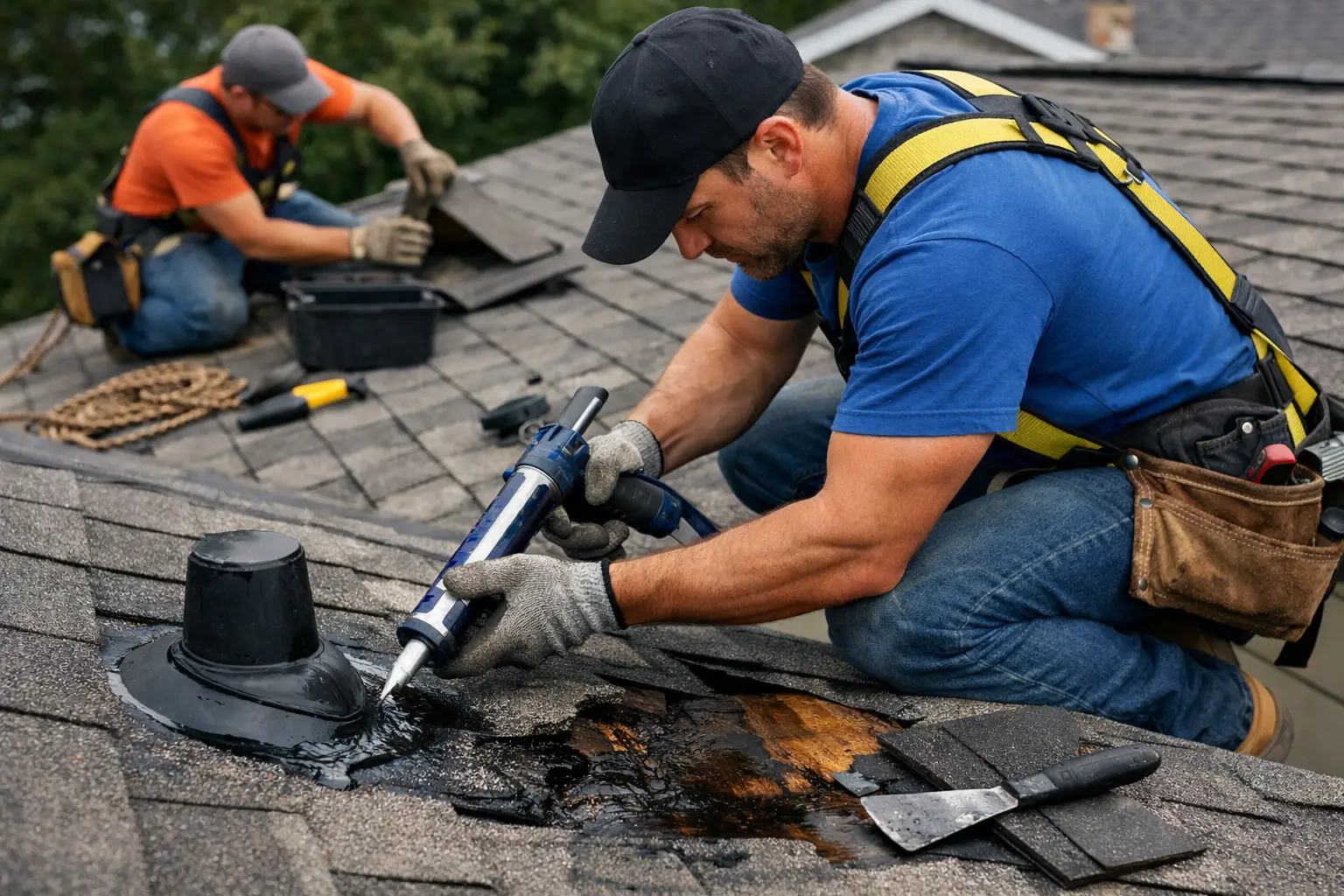
For example, a water stain near a wall may trace back to flashing around a chimney or step flashing along a roof-to-wall transition. A leak around a vent may come from a failed boot, but it could also involve surrounding shingles or underlayment. On flatter commercial systems, moisture intrusion may travel well beyond the visible entry point.
Inspectors should look at the field of the roof, but also the details where problems usually begin. That includes penetrations, valleys, skylights, transitions, ridge caps, drip edges, and drainage paths. They should also note signs of structural concern, ventilation imbalance, trapped moisture, or workmanship issues from a previous install or repair.
The best inspections do not stop at identifying damage. They explain what is causing it, how widespread it appears to be, and whether a repair is likely to hold based on the roof’s age and condition.
Roof repair or roof replacement – it depends
This is where experience matters most. Property owners often want a simple yes-or-no answer, but roofing decisions are rarely that clean. A repair may be the smartest move if the damage is isolated and the rest of the system is sound. That is especially true when the roof still has solid remaining life and matching materials are available.
On the other hand, repeated leak points, widespread storm damage, brittle shingles, or failing components across multiple areas can make repairs a short-term patch rather than a durable solution. In those cases, replacement may provide better long-term value, even if the upfront cost is higher.
Insurance can also affect the decision. If storm damage is documented and covered, the economics may shift. But owners should be careful not to assume every damaged roof qualifies for a full replacement. A trustworthy contractor will walk through the inspection findings, explain the trade-offs, and help you understand what is reasonable rather than pushing one outcome every time.
Why local conditions change the inspection process
Minnesota roofs deal with a harsher cycle than many parts of the country. Winter stress alone can expose weak points that stayed hidden through warmer months. Ice dams can force water under shingles. Freeze-thaw cycles can widen small separations. Wind can break seals and loosen edges. Summer storms then build on that damage.
That is why local knowledge matters in roof repair inspection services. An inspector who understands regional weather patterns will know where failures tend to show up and which warning signs deserve closer attention. They will also understand the urgency behind seasonal timing. A repair delayed in late fall may become a much bigger issue by midwinter.
For homes with gutters, ventilation concerns, soffit and fascia wear, or repeated ice dam problems, the roof inspection should not happen in isolation. Exterior components work together. If one part is underperforming, it can affect the entire protection system.
What good documentation should include
A quality inspection should leave you with more than a verbal opinion. You should come away with a clear explanation of findings, supporting photos when available, and a practical recommendation. If repairs are needed, the scope should make sense. If replacement is advised, you should understand why a repair is not the stronger investment.
This is especially important for storm-related claims. Good documentation can help support conversations with insurance adjusters and reduce confusion about the extent of damage. It does not guarantee coverage, but it gives your claim a factual starting point.
Clear documentation also supports better planning. Homeowners can make informed decisions about timing, while commercial managers can coordinate repairs around tenant or operational needs. Predictability matters when you are protecting property and managing costs.
Choosing a contractor for roof repair inspection services
Not all inspections are equal. Some are designed to inform. Others are designed to sell first and explain later. The difference usually shows up in how the contractor communicates.
A dependable contractor should be able to explain the condition of the roof in plain language, show where issues exist, and outline realistic options. They should be responsive, direct about urgency, and honest about what they can and cannot confirm without further work. If they offer repair, replacement, gutters, storm restoration, and related exterior services, that can also be a benefit because it allows them to evaluate the roof as part of a complete protection system rather than as a single isolated problem.
Credentials, workmanship standards, warranties, and local experience all matter here. So does process. When a contractor takes ownership from inspection through repair and, if needed, insurance coordination, the experience tends to be less stressful for the property owner. That kind of guidance is one reason many Minnesota homeowners turn to established local companies such as Roofs R Us when roof concerns start affecting daily peace of mind.
The real payoff of early inspection
Most roofing problems do not improve with time. They either stay hidden or get more expensive. A timely inspection gives you control before the damage spreads to insulation, decking, interior finishes, or business operations.
There is also a quality-of-life benefit that is easy to underestimate. When you know the actual condition of your roof, you can stop guessing every time it rains or every time another storm rolls through. Whether the answer is a small repair, a larger restoration plan, or a recommendation to monitor for now, clarity helps you make the right call with confidence.
If your roof has been through a recent storm, is showing signs of age, or just has not been checked in a while, getting it inspected is not overreacting. It is what responsible property protection looks like.