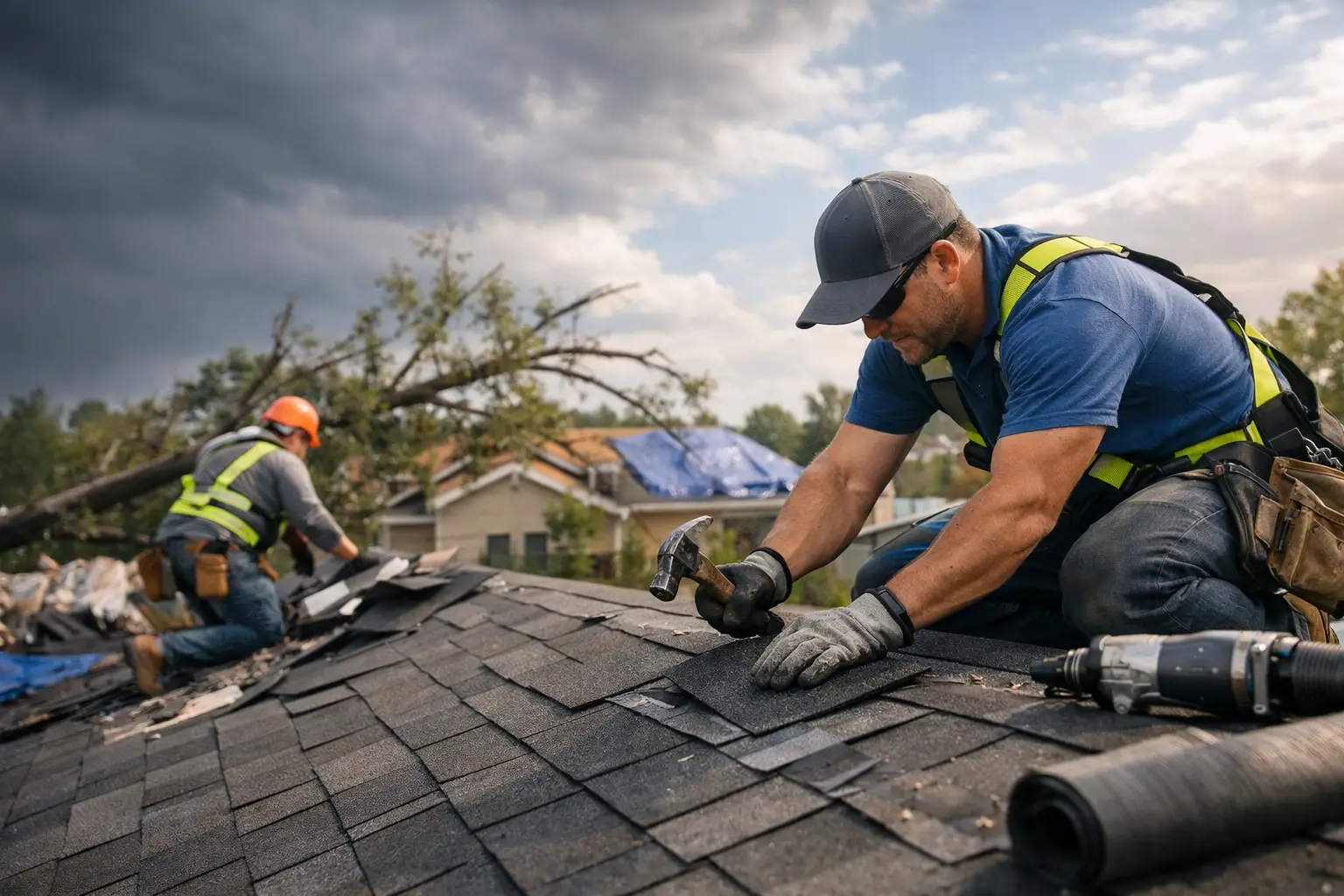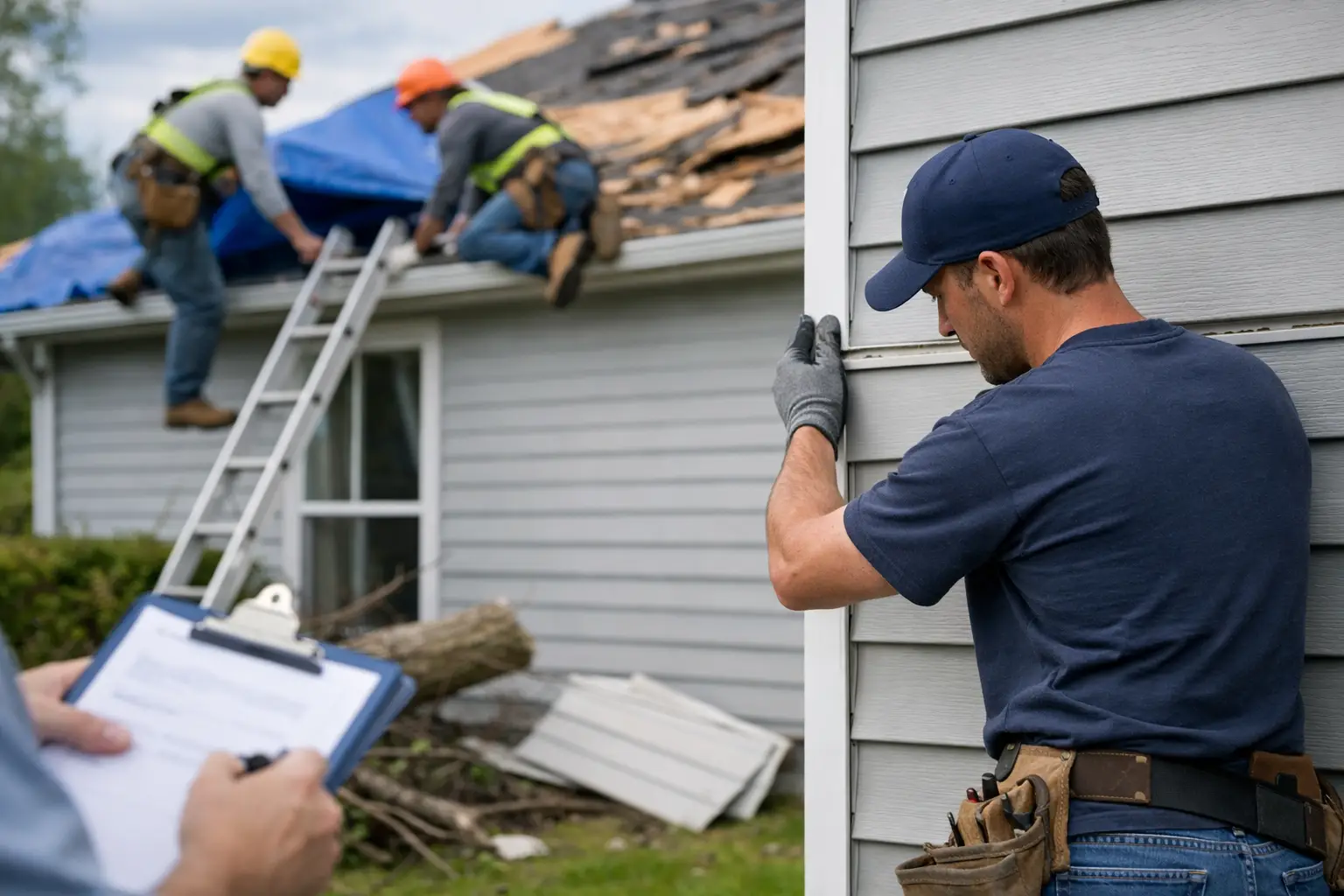
The morning after a storm is when bad roofing decisions usually happen. A yard full of shingles, a water stain on the ceiling, and a line of contractors knocking on doors can push any property owner to hire too fast. If you are searching for the best roofing company for storm damage, the right choice is rarely the one that promises the fastest patch or the cheapest number on a flyer. It is the company that can protect your property, document the damage correctly, and guide the project all the way through repair or replacement without adding more stress.
Storm damage roofing is not just a repair issue. It is a risk-management issue. A missed section of lifted shingle, compromised flashing, or hidden deck moisture can turn a storm claim into a long-term problem. That is why choosing the right contractor matters as much as the material going on your roof.
What makes the best roofing company for storm damage?
A strong storm restoration contractor does more than install shingles. The best companies know how to inspect for visible and hidden damage, explain what is urgent and what can wait, and create a scope of work that matches the actual condition of the roof. They also understand related exterior systems like gutters, siding, soffit, and fascia, because storms rarely damage just one surface.
Experience matters here, but not in a vague way. You want a company with a proven process for storm response. That means detailed inspections, clear photos, accurate estimates, and the ability to identify when a repair is enough versus when a full replacement is the safer investment. Some roofs can be repaired effectively. Others may look repairable at first and still fail early because the storm damage affected too many areas. A reliable contractor will tell you the difference.
The best companies also stand behind the work. Strong workmanship warranties, premium material options, and manufacturer-backed certifications are not extras. They are signs that the contractor takes long-term performance seriously.
The signs of a company you can trust after a storm
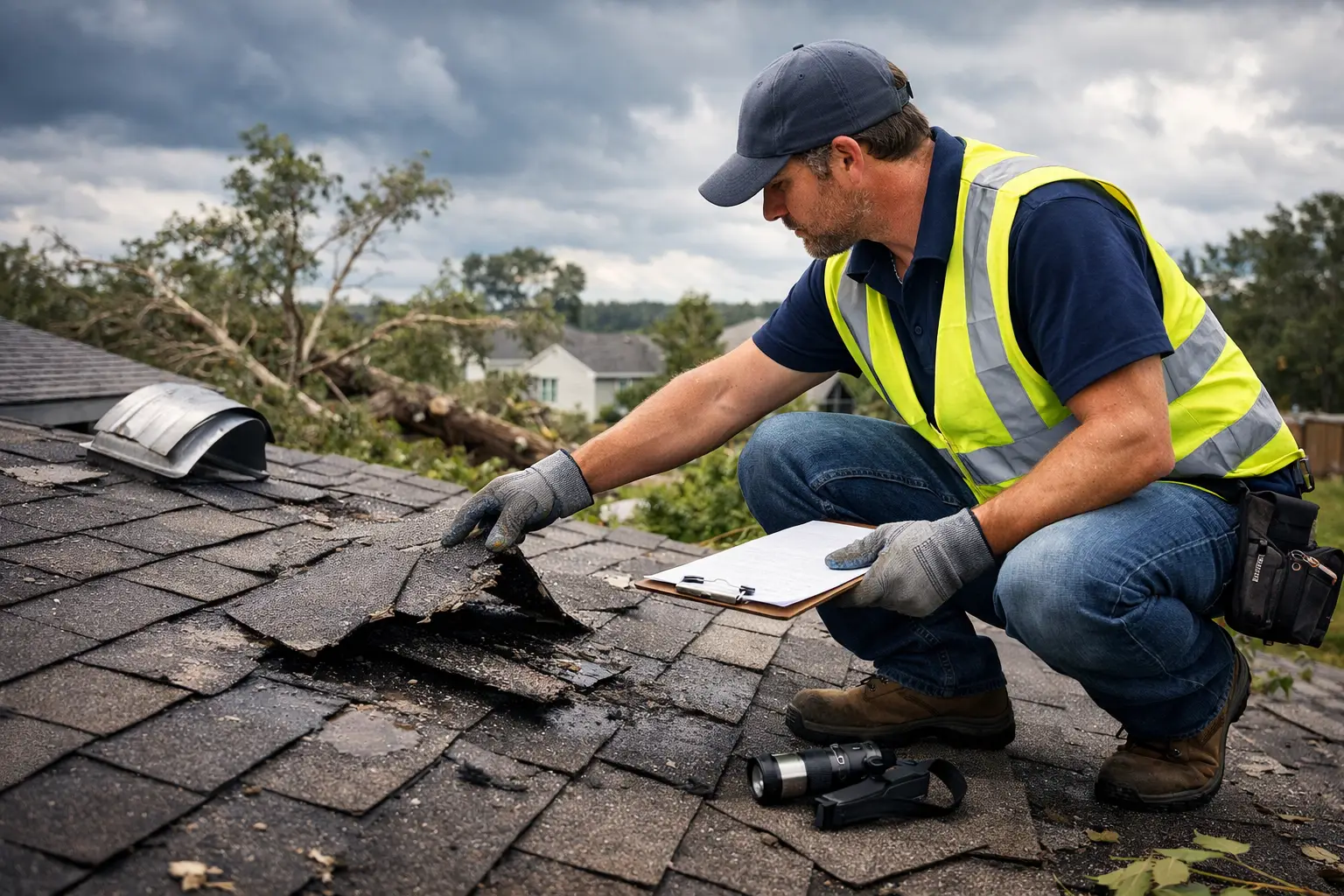
When your roof has taken a hit, trust is built through specifics. A dependable contractor will inspect the entire roofing system, not just the most obvious damaged spot. They will check shingles, underlayment exposure, vents, flashing, valleys, ridge caps, gutters, and the surrounding exterior. They should also be able to explain their findings in plain language.
Good communication is another major signal. If a company is hard to reach before the job starts, that usually does not improve once crews are scheduled. Storm projects move quickly, and delays in communication can create bigger issues with interior leaks, insurance paperwork, and scheduling.
Pricing should be clear and documented. Be cautious of vague verbal quotes or pressure to sign before you understand the scope. A professional estimate should explain what is being repaired or replaced, what materials are included, and whether there are any variables that could affect final cost. Price-locked estimates can be especially valuable when you are already dealing with enough uncertainty.
Then there is local accountability. A contractor with a real reputation in the market has more to lose by cutting corners. In storm-prone areas like Minnesota, that matters. Companies that work locally understand regional weather patterns, code expectations, ventilation concerns, and the seasonal timing that affects roofing performance.
Storm damage is not always obvious
One reason property owners choose the wrong contractor is that they assume storm damage is easy to spot. Sometimes it is. Missing shingles, dented vents, and active leaks are clear enough. But hail bruising, loosened seals, granule loss, lifted edges, and flashing separation are often missed by anyone without roofing experience.
That is where a thorough inspection becomes valuable. A contractor should not just tell you that damage exists. They should show you where it is, explain how serious it is, and outline the consequences of waiting. Not every storm creates immediate failure, but delayed action can shorten roof life and increase repair costs.
For commercial properties, the inspection process is even more important. Flat and low-slope systems can hold hidden punctures, membrane damage, seam issues, and drainage problems that do not show up right away. A commercial property manager needs a contractor who can document conditions carefully and recommend solutions that support both performance and business continuity.
Insurance support can make a major difference
Many storm damage projects involve insurance, and this is where contractor quality becomes even more important. The best roofing company for storm damage will not treat insurance as an afterthought. They understand that documentation, photos, scope detail, and timing can all affect how smoothly a claim moves.
That does not mean a contractor should make unrealistic promises about claim outcomes. Every policy is different, and coverage depends on the terms of your insurance. A trustworthy company will be honest about that. What they can do is help provide clear evidence of damage, support the inspection process, and make sure the repair or replacement scope reflects real conditions.
This kind of advocacy matters because under-scoped storm claims can leave owners paying out of pocket for items that should have been addressed from the beginning. On the other hand, a contractor who overstates damage just to chase a bigger job creates its own problems. The right partner stays factual, professional, and focused on protecting the property.
Red flags to avoid when hiring a storm damage roofer
Storm-chasing contractors often show up fast after severe weather. Some are legitimate. Some are not. If a company uses fear to push an immediate signature, avoids written documentation, or offers a deal that sounds far below market, slow down.
Another warning sign is limited scope. If the contractor only talks about replacing shingles but ignores ventilation, flashing, gutters, or siding damage, they may be looking at the roof too narrowly. Storm restoration often requires a broader exterior perspective.
Be wary of companies that cannot explain warranties clearly. You should know what is covered by workmanship, what comes from the manufacturer, and how long that protection lasts. If the answer is fuzzy now, it may be harder to get support later.
Finally, watch for poor process. A good contractor has a defined path from inspection to estimate to scheduling to final walkthrough. If the process feels disorganized before the project begins, that is useful information.
How to compare roofing companies the smart way
The easiest mistake is comparing companies by price alone. Storm damage roofing is not a commodity purchase. Two estimates can look similar at the top line and still be very different in material quality, installation details, warranty coverage, and project management.
A better comparison starts with inspection quality. Did the contractor spend time assessing the full roof and exterior? Did they provide photos? Did they explain repair versus replacement honestly? Then look at credentials and product quality. Manufacturer certifications, proven installation standards, and long warranty options usually signal a higher level of accountability.
You should also compare how each company handles the customer experience. Will they help coordinate with your insurance adjuster if needed? Will they keep you updated on schedule changes? Will they protect landscaping, clean up thoroughly, and stand behind the finished work?
For many homeowners and property managers, the best value is not the cheapest bid. It is the company that reduces risk, avoids surprise costs, and delivers a roof system built to last.
Why full-service exterior expertise matters
Storm damage does not always stop at the roofline. Wind and hail can affect gutters, fascia, soffit, siding, and other exterior elements that help protect the building envelope. When one contractor can assess the full picture, the restoration process tends to be smoother and more accurate.
This is especially useful when multiple systems need attention at the same time. Instead of juggling separate trades and hoping the work lines up properly, you get a coordinated approach. That can help with scheduling, workmanship consistency, and overall project clarity.
For property owners in the Twin Cities, where hail, wind, ice, and seasonal freeze-thaw cycles all play a role, that broader protection mindset is valuable. A roof is only as dependable as the surrounding exterior systems supporting it.
Choosing confidence over urgency
After a storm, speed matters, but panic should not drive the decision. The best contractor is the one who brings clarity to a stressful moment – someone who can inspect thoroughly, communicate directly, support the claims process when needed, and complete the work with craftsmanship that holds up.
That is the standard Roofs R Us is built around. When a company combines storm restoration expertise, premium materials, warranty-backed installation, and a customer-guided process, you are not just fixing damage. You are restoring protection where it matters most.
If you are comparing roofing companies after a storm, look for the one that makes you feel more certain, not more pressured. The right partner should leave you with fewer questions, stronger protection, and a property that is ready for the next round of weather.