Table of Contents
ToggleA roof replacement usually starts the same way – with a stain on the ceiling, shingles in the yard, or a storm that makes you wonder how much life your roof really has left. This complete roof replacement guide is built to take the guesswork out of the process, so you can make a smart decision before a small problem turns into interior damage, mold, or a much larger bill.
For most homeowners, replacing a roof is not something you do often enough to feel familiar with it. That is exactly why the process matters. A good roof replacement protects your home, improves energy performance, strengthens curb appeal, and gives you a clear layer of defense against Minnesota weather. A poor one can leave you dealing with leaks, ventilation issues, denied warranty claims, and repairs that should not be necessary.
When a roof replacement is the right call
Not every roof problem means you need a full replacement. Sometimes a targeted repair is the smarter investment, especially when damage is isolated and the rest of the system is still in good condition. But there comes a point when repairs start becoming a temporary patch rather than a real solution.
Age is one of the clearest indicators. If your asphalt shingle roof is approaching the end of its expected lifespan, replacement often makes more financial sense than repeated repairs. The same is true when shingles are curling, cracking, losing granules, or showing widespread wear. If leaks are appearing in multiple areas, or if decking and underlayment have been compromised, a full replacement is often the safest option.
Storm damage can also change the equation fast. Hail and wind do not always leave dramatic signs from the ground, but they can weaken the system enough to shorten its life. In Minnesota, freeze-thaw cycles, ice dams, and heavy snow loads can add more stress over time. That is why a professional inspection matters before deciding whether repair or replacement is the better path.
A complete roof replacement guide to the actual process
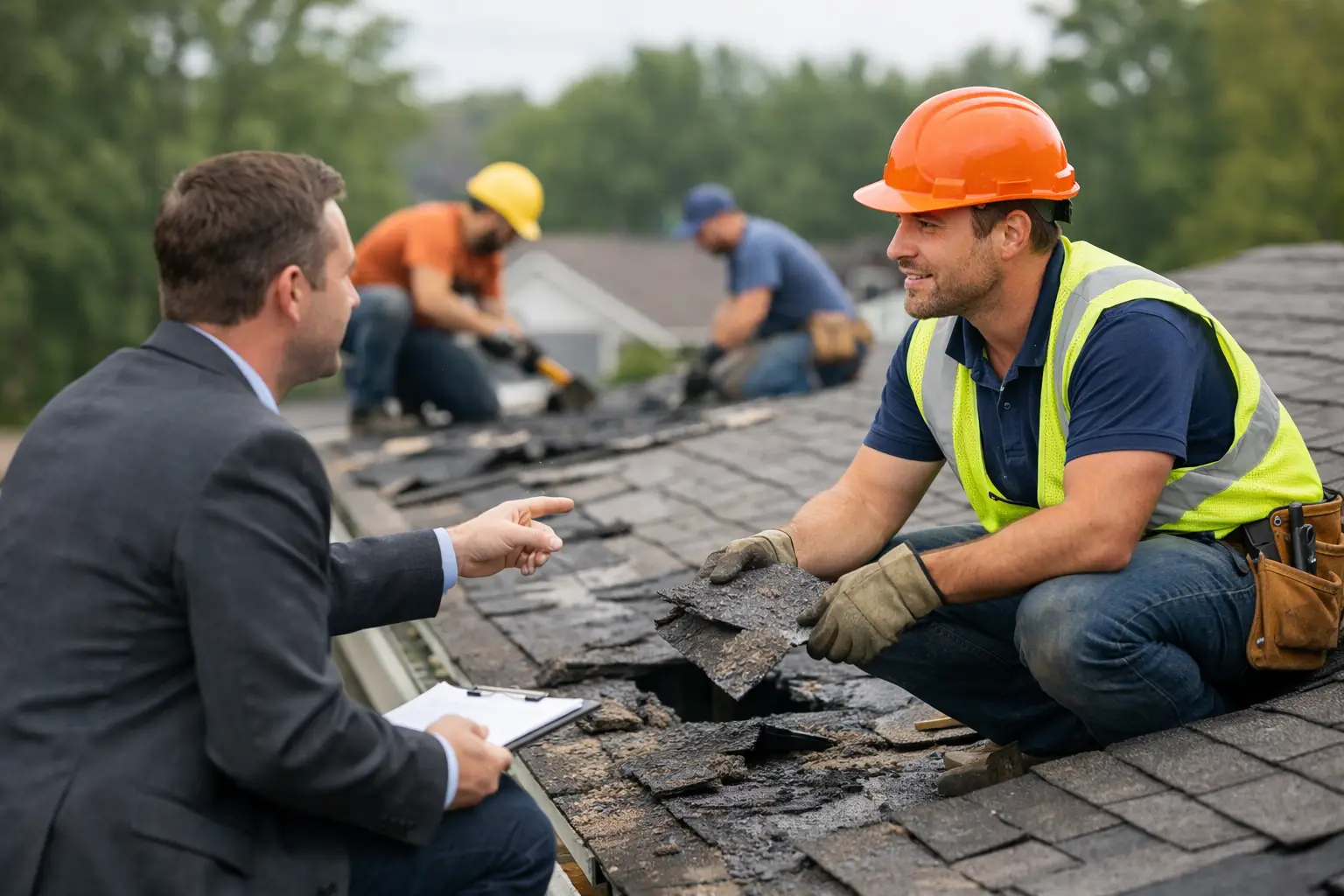
The most reliable roof projects follow a clear sequence. First comes the inspection. A contractor should evaluate not just the shingles, but the full roofing system – flashing, underlayment, ventilation, decking condition, penetrations, gutters, and any signs of moisture intrusion. This is where honest guidance matters. You want a contractor who can explain what is failing, what is still sound, and why replacement is or is not necessary.
Next comes the estimate. A thorough estimate should be specific, not vague. It should outline the scope of work, materials being used, how tear-off and disposal are handled, and whether components like flashing or ventilation upgrades are included. This is also where homeowners should ask about warranty coverage and whether pricing is locked. A lower bid can look attractive at first, but if key components are excluded, the final cost may move in the wrong direction quickly.
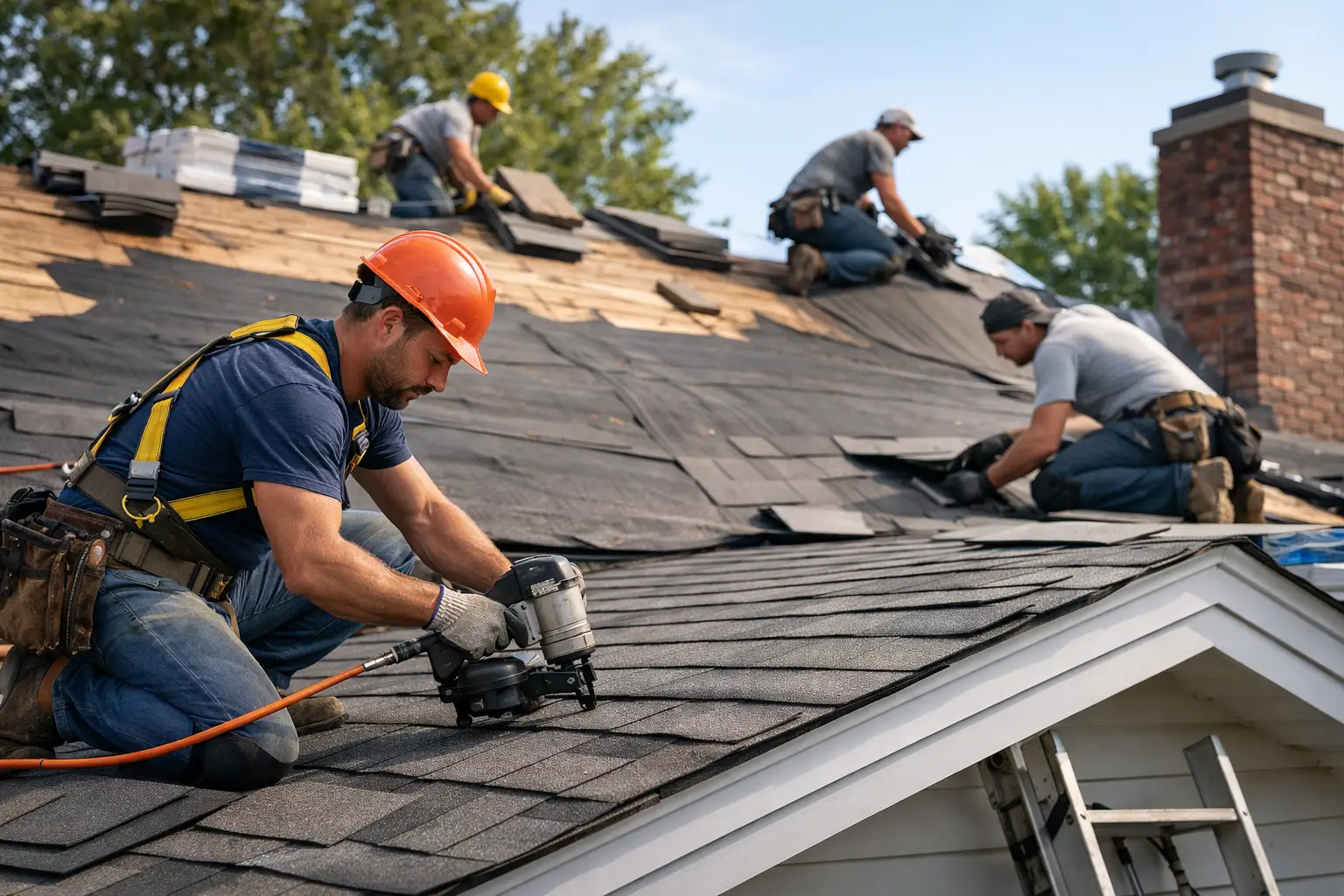
Once the project is scheduled, preparation begins. Roofing crews protect landscaping, set up material delivery, and prepare the property for tear-off. During installation, the old roofing materials are removed so the roof deck can be inspected. This matters because underlying damage cannot be addressed if it stays hidden beneath old shingles.
If decking repairs are needed, they should be completed before the new system goes on. From there, underlayment, ice and water protection, flashing, ventilation components, and shingles or other roofing material are installed in the proper sequence. Cleanup and final inspection should not be treated as an afterthought. A professional contractor should leave the site clean and walk you through the finished work.
What affects roof replacement cost
Homeowners often ask for a simple price, but roofing costs depend on several factors. Roof size is the obvious one, but it is not the only one. Roof complexity also matters. Valleys, dormers, steep slopes, chimneys, skylights, and multiple penetrations all increase labor and detail work.
Material selection has a major impact as well. Standard architectural shingles are a common choice because they balance durability, appearance, and value. Premium shingles, metal roofing, and commercial membrane systems can change the price significantly. The right choice depends on your goals, your property, and how long you plan to stay in the building.
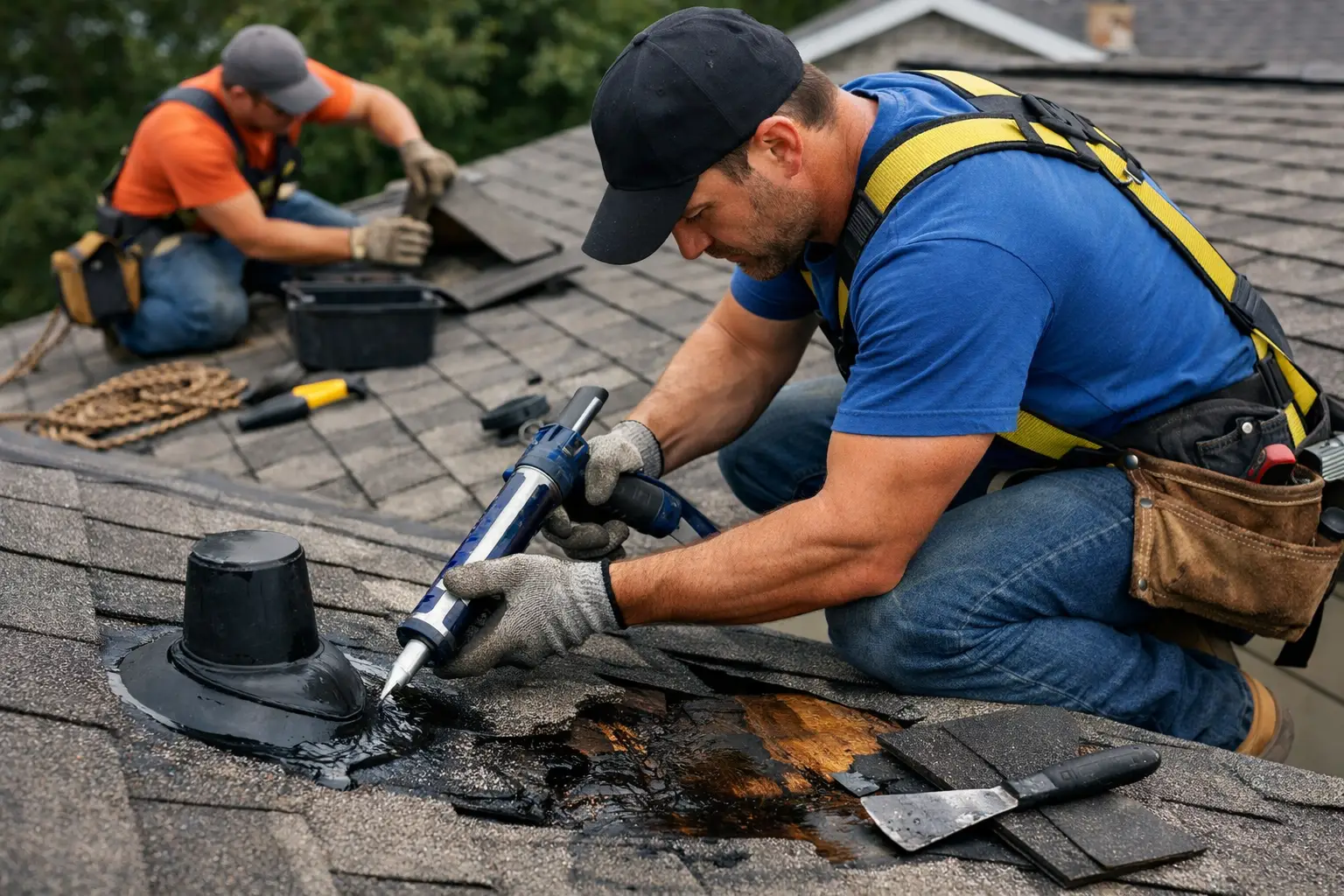
Then there is what lies beneath. If ventilation is inadequate, flashing is failing, or the roof deck has water damage, those issues need to be corrected during replacement. It can raise the project cost, but it also prevents future failure. Skipping those corrections usually leads to more expensive problems later.
Insurance may offset part of the cost when storm damage is involved. That process requires documentation, a clear inspection, and a contractor who understands how to communicate scope accurately. For many property owners, support during the claim process is not a bonus feature – it is a practical part of getting the roof restored correctly.
Choosing the right roofing material
For many Minnesota homes, architectural asphalt shingles remain the most practical option. They offer solid weather protection, a wide range of color choices, and dependable value. When installed correctly with the right underlayment and ventilation, they perform well in demanding weather conditions.
Metal roofing can be a strong fit for owners who want longevity and a distinctive look. It generally costs more up front, but it can offer long-term value depending on the structure and the owner’s plans. Commercial properties may require a different conversation entirely, especially when low-slope systems are involved. In those cases, code requirements, drainage, insulation, and business continuity all play a larger role.
The best material is not always the most expensive one. It is the one that matches the building, the climate, the budget, and the performance expectations. A trustworthy contractor should explain the trade-offs clearly instead of pushing a one-size-fits-all answer.
How to compare roofing contractors
This part of the complete roof replacement guide may matter more than the material itself. Even premium products can fail when installation is rushed or details are missed. A qualified contractor should be licensed and insured, have a track record of local work, and be able to explain their process with confidence.
Look for more than a sales pitch. Ask who is supervising the job, how workmanship issues are handled, what warranty options are available, and whether the contractor has manufacturer-backed credentials. Certifications can signal a higher level of training and access to stronger warranty coverage, but they should be paired with responsive communication and proven craftsmanship.
It also helps to pay attention to how the estimate is presented. Clear documentation, realistic timelines, and straightforward answers usually say a lot about how the project itself will be managed. In markets like the Twin Cities, where storms can trigger a rush of roofing activity, choosing a trusted local contractor is one of the best ways to avoid shortcuts and confusion.
Common mistakes homeowners make
One of the biggest mistakes is waiting too long. A roof that has already allowed moisture into the attic or wall system can create damage far beyond the shingles. Delaying replacement may feel like saving money, but it often increases the total cost of repair.
Another common mistake is focusing only on the lowest bid. Roofing is a full system, not just a visible top layer. If the estimate leaves out ventilation improvements, proper flashing replacement, or ice and water protection, the lower number may not reflect the real job your home needs.
Homeowners also sometimes assume warranties cover everything. They do not. Manufacturer warranties usually depend on proper installation, approved materials, and registration requirements. Workmanship warranties vary by contractor. It is worth asking exactly what is covered, for how long, and what could void that coverage.
What to expect after installation
A new roof should give you confidence, not questions. After installation, you should receive documentation for materials, warranty information, and a clear explanation of any maintenance recommendations. While modern roofing systems are built for durability, periodic inspections still matter, especially after major storms.
This is also a good time to think beyond the roof surface. Gutters, soffit, fascia, attic ventilation, and siding all work together to protect the structure. If one part of the exterior system is failing, it can affect the performance of the rest.
At Roofs R Us, that whole-system view is a big part of what helps property owners make better long-term decisions. The strongest roof replacement is not just about what gets installed in a day or two. It is about how well the system protects your home for years.
If you are weighing whether to repair, replace, or file an insurance claim after storm damage, start with good information and a thorough inspection. The right roof replacement should reduce stress, add protection, and leave you feeling certain you made the right call.