Table of Contents
ToggleA roof leak rarely starts with a dramatic ceiling collapse. More often, it shows up as a brown water stain, damp insulation in the attic, peeling paint near a vent, or a drip that only appears during wind-driven rain. If you are asking, why is my roof leaking, the real issue is usually not just water getting in. It is a failure somewhere in the roofing system that needs to be found correctly before the damage spreads.
That distinction matters. Many leaks seem obvious from inside the house, but the spot where water appears indoors is not always where it entered the roof. Water can travel along decking, rafters, insulation, and fasteners before it becomes visible. That is why a leak that looks small on the ceiling can still point to a larger roofing problem.
Why Is My Roof Leaking? The Most Likely Reasons
Most roof leaks come down to one of a few root causes: damaged shingles, failed flashing, aging materials, storm impact, poor installation, or ice-related issues. In Minnesota, freeze-thaw cycles, heavy snow, hail, and strong summer storms can put extra stress on every part of the roof assembly.
Shingles are often the first place homeowners look, and for good reason. If shingles are cracked, missing, lifted, or worn down, they can no longer shed water the way they should. But shingles are only one layer of protection. A leak can also start around roof penetrations like plumbing vents, chimneys, skylights, and exhaust caps, where flashing and sealants tend to wear out sooner than the main roof surface.
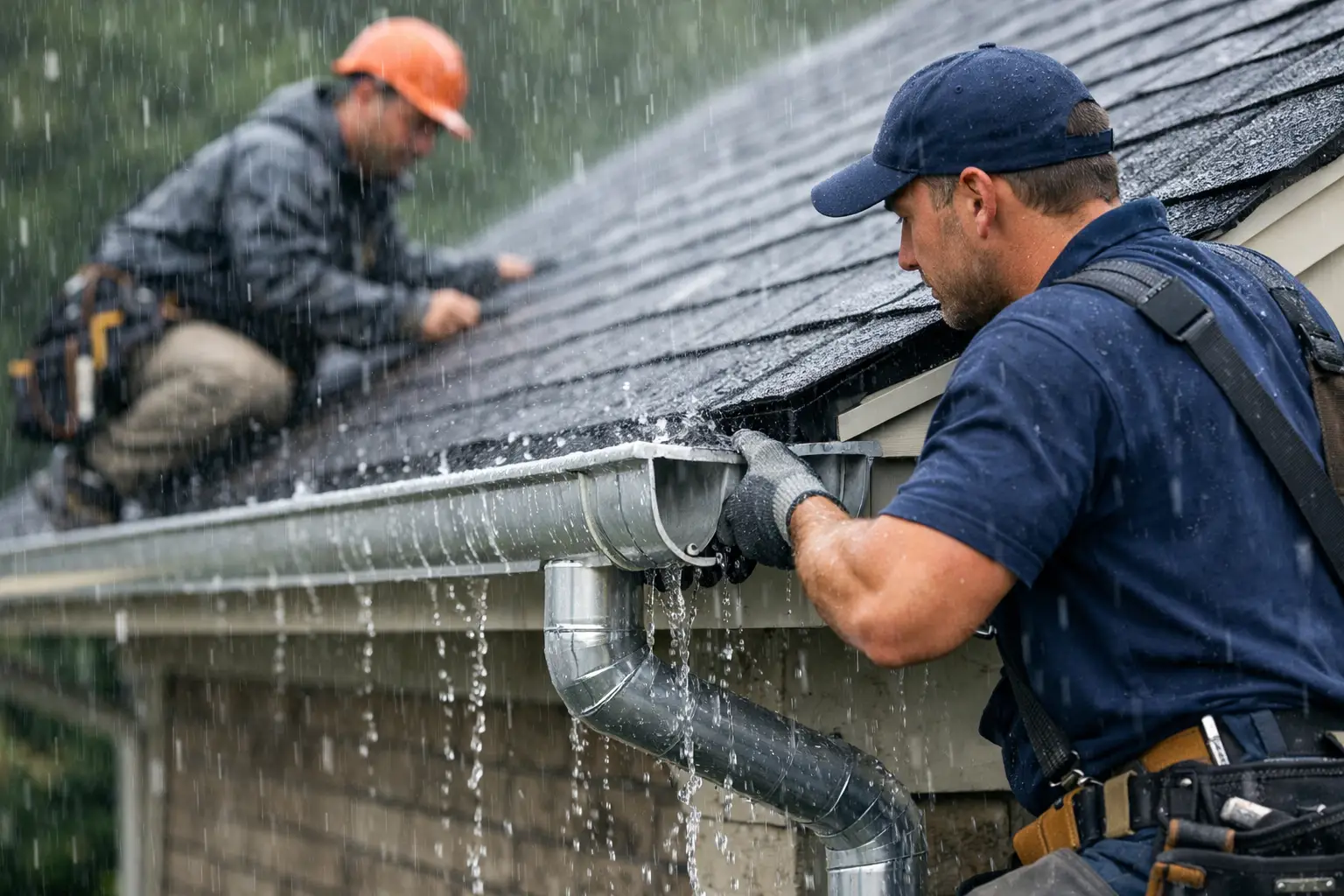
Sometimes the roof itself is not the whole story. Gutter problems, soffit and fascia damage, clogged drainage paths, and attic ventilation issues can all contribute to moisture problems that look like a roof leak at first glance. That is why a proper inspection matters more than guesswork.
The Most Common Leak Points on a Roof
Flashing around chimneys, vents, and walls
Flashing is one of the most common failure points because it protects the roof at transitions and openings. These areas naturally move more, collect more water, and rely on precise installation. If flashing is rusted, bent, loose, or improperly sealed, water can work its way beneath the roofing material.
This is especially common around chimneys and plumbing stacks. A roof can look fine from the ground while the flashing around one penetration has already failed. In many cases, the leak only appears under certain weather conditions, which makes it easy to miss until interior damage shows up.
Damaged or missing shingles
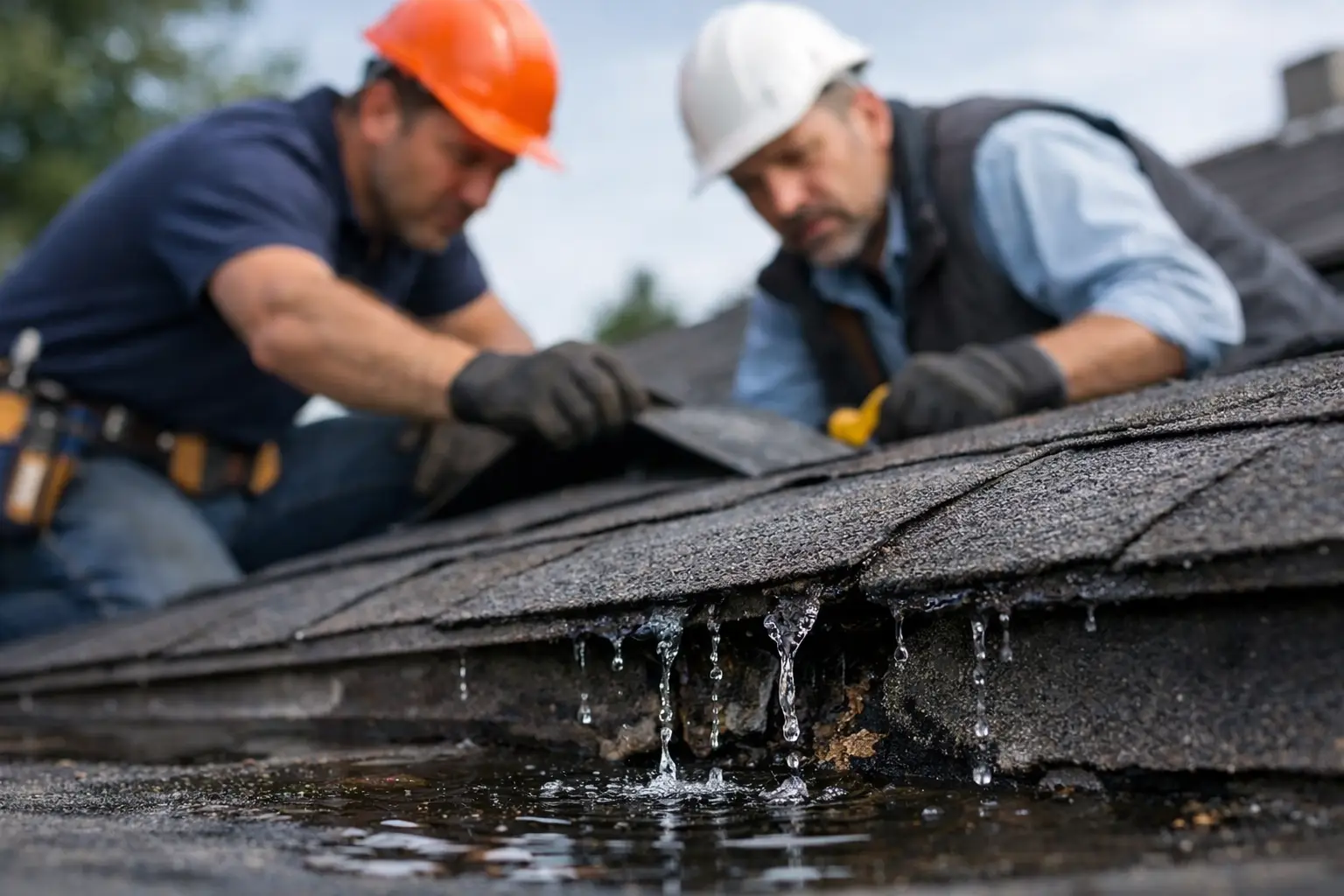
Wind can loosen shingles, hail can bruise them, and age can make them brittle. Once that protective surface is compromised, water has a path to the underlayment and roof deck below. A few missing shingles may not seem urgent, but they can expose surrounding materials to far more damage than most property owners expect.
There is a trade-off here. Some isolated shingle repairs are straightforward and cost-effective. But if the damage is widespread, the roof is older, or the shingles have lost much of their life, patching one section may only buy a short amount of time.
Valleys and low-slope sections
Roof valleys handle a high volume of water, which makes them vulnerable if installation was not exact or materials have started to break down. Low-slope roof areas also drain more slowly, giving water more time to find weaknesses. If a leak appears after prolonged rain rather than a quick storm, these areas deserve close attention.
Skylights and roof-mounted features
Skylights, satellite mounts, solar attachments, and other roof-mounted features can all create leak risks if flashing details fail. The problem is not the feature itself. The problem is usually the penetration and how well it was integrated into the roof system.
Weather Damage Can Trigger Leaks Fast
Storm damage does not always leave a dramatic hole in the roof. Hail can weaken shingles without making the damage obvious from the yard. Strong wind can break the seal between shingles or lift them just enough to let rain blow underneath. Even if the roof still looks mostly intact, the protective system may already be compromised.
That is why leaks often show up days or weeks after a storm. The weather event creates the damage, but the next round of rain exposes it. Homeowners and commercial property managers sometimes wait because the leak seems minor. The risk is that moisture keeps spreading into insulation, drywall, framing, and even electrical areas.
If your property has recently been through hail or high wind, a professional inspection is often the fastest way to separate cosmetic wear from real roofing damage. That is also important for documentation if insurance becomes part of the process.
Why Older Roofs Start Letting Water In
Roofing materials do not fail all at once. They wear down gradually. Granule loss, dried-out seal strips, exposed fasteners, shrinking sealant, and deteriorated underlayment all make the roof more vulnerable over time. Once enough of those small failures add up, leaks begin.
Age-related leaks can be tricky because they may not point to one single broken spot. Instead, the roof has simply reached a stage where multiple weak points exist at once. In that situation, repair is still sometimes possible, but it depends on the roof’s overall condition, material type, and how much useful life remains.
This is where experience matters. A reliable contractor should not push replacement when a sound repair will solve the issue. But they also should not promise a long-term fix if the roof is already near the end of its service life.
Why Is My Roof Leaking in Winter?
In colder climates, winter leaks are often tied to ice dams, attic heat loss, and ventilation problems. When heat escapes into the attic, it warms the roof deck and melts snow. That water runs down to the colder roof edge, where it refreezes. As ice builds up, water can back up under shingles and enter the home.
This is one of the clearest examples of why a roof leak is not always just a roofing issue. Ice dam problems often involve insulation, ventilation, roof edge details, and drainage. If the visible leak is repaired but the underlying heat and moisture conditions are ignored, the problem can come back.
For Minnesota property owners, winter leak prevention is about more than patching a spot. It means looking at the full exterior protection system.
Signs the Leak May Be Worse Than It Looks
Some leaks are localized. Others signal hidden damage that has been building for a while. If you notice stained ceilings, bubbling paint, moldy odors, warped trim, attic moisture, or repeated leaks in the same area, it is smart to treat the problem as more than a surface issue.
Commercial properties can be even more complicated. Water can travel across insulation boards or decking and appear far from the source. On flat or low-slope commercial roofing, ponding water and membrane seam failures are common contributors. A leak in one office or unit may originate much farther away than expected.
The key is not to assume that the interior symptom tells the whole story. Accurate diagnosis saves money because it targets the actual cause instead of chasing the stain.
What You Can Do Right Away
If water is actively entering the home, protect the interior first. Move valuables, place a container under drips, and reduce exposure to flooring or furniture. If it is safe, check the attic for visible wet spots or daylight through the roof deck. That information can help narrow down the issue.
What you should not do is rely on caulk as a permanent answer. Temporary sealing has its place, but quick fixes often hide the real problem and can make professional repair more complicated later. Walking on a wet or damaged roof is also risky, especially after a storm or in winter conditions.
When to Call for a Professional Roof Inspection
If the leak has happened more than once, followed a recent storm, appeared near a chimney or vent, or involved attic moisture, it is time for a detailed inspection. The goal is not just to stop the current drip. It is to find out whether the problem is isolated, storm-related, age-related, or part of a larger system failure.
A trustworthy roofing contractor should explain what caused the leak, what damage is present, and whether repair or replacement makes more sense long term. That includes being clear about trade-offs. A lower-cost repair may be appropriate in one case, while another roof needs a broader solution to truly protect the property.
For homeowners and property managers in the Twin Cities, that clarity matters. With weather exposure, insurance questions, and the cost of interior damage all in play, the best next step is an inspection that leads to a real plan, not guesswork.
A leaking roof is stressful, but it is also a signal. Catch the cause early, fix it correctly, and you protect far more than the shingles overhead.