Table of Contents
ToggleThe morning after a storm is when small roofing problems turn into expensive ones. A few lifted shingles or a subtle puncture may not look urgent from the ground, but water has a way of finding the weak spot first. That is why a roof storm damage inspection matters right away, especially after hail, high winds, or heavy rain move through your area.
For homeowners and property managers, the goal is not just to spot obvious damage. It is to understand whether the roof system still protects the structure the way it should. A proper inspection looks beyond missing shingles and asks a more important question: did the storm shorten the life of the roof, create a leak risk, or damage connected exterior components that now need attention too?
What a roof storm damage inspection should cover
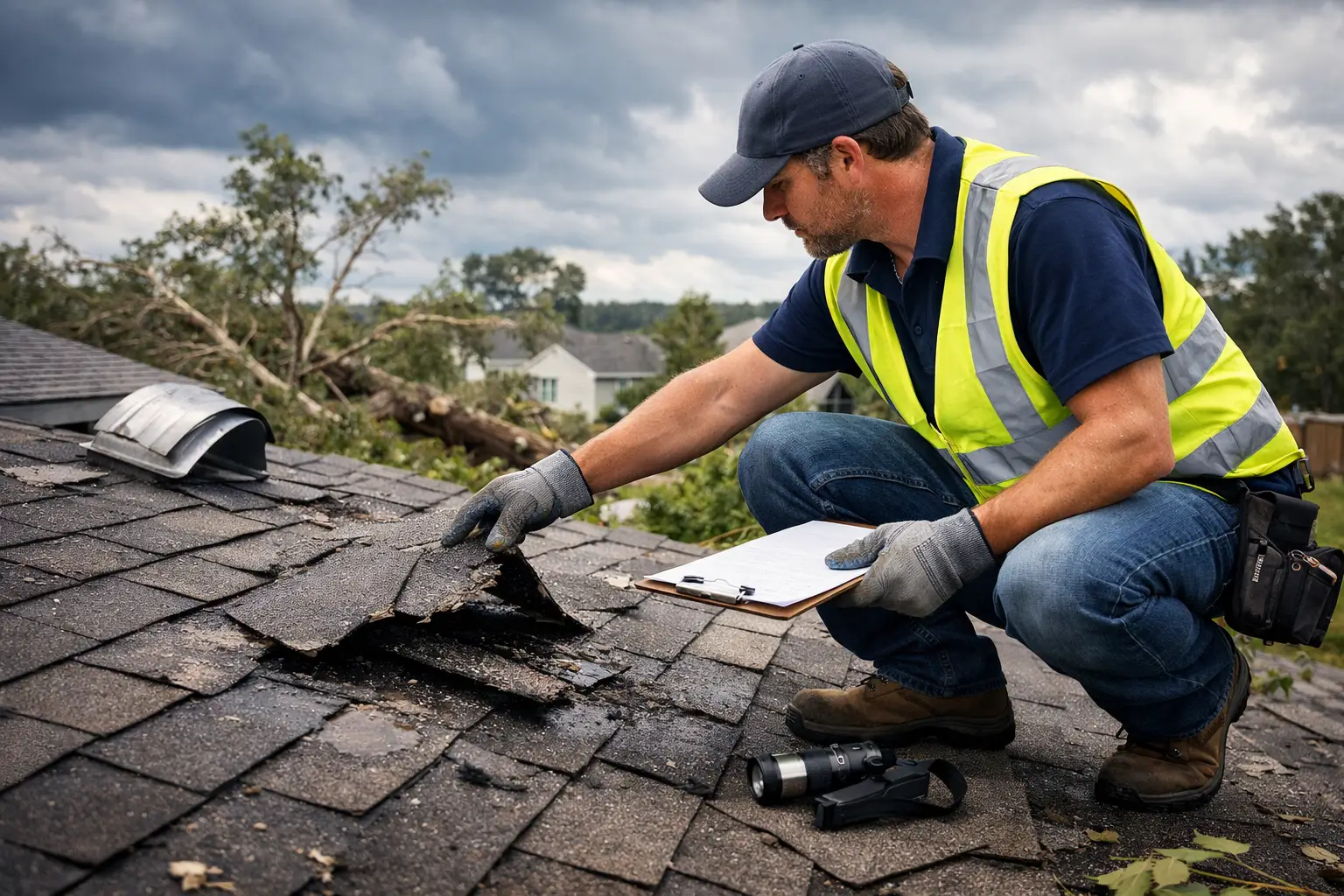
A real inspection is more than a quick glance from the driveway. Storms rarely damage only one visible area. Wind can break the seal on shingles without tearing them off. Hail can bruise asphalt, dent metal, and weaken exposed components. Heavy rain can expose flashing problems that were already developing.
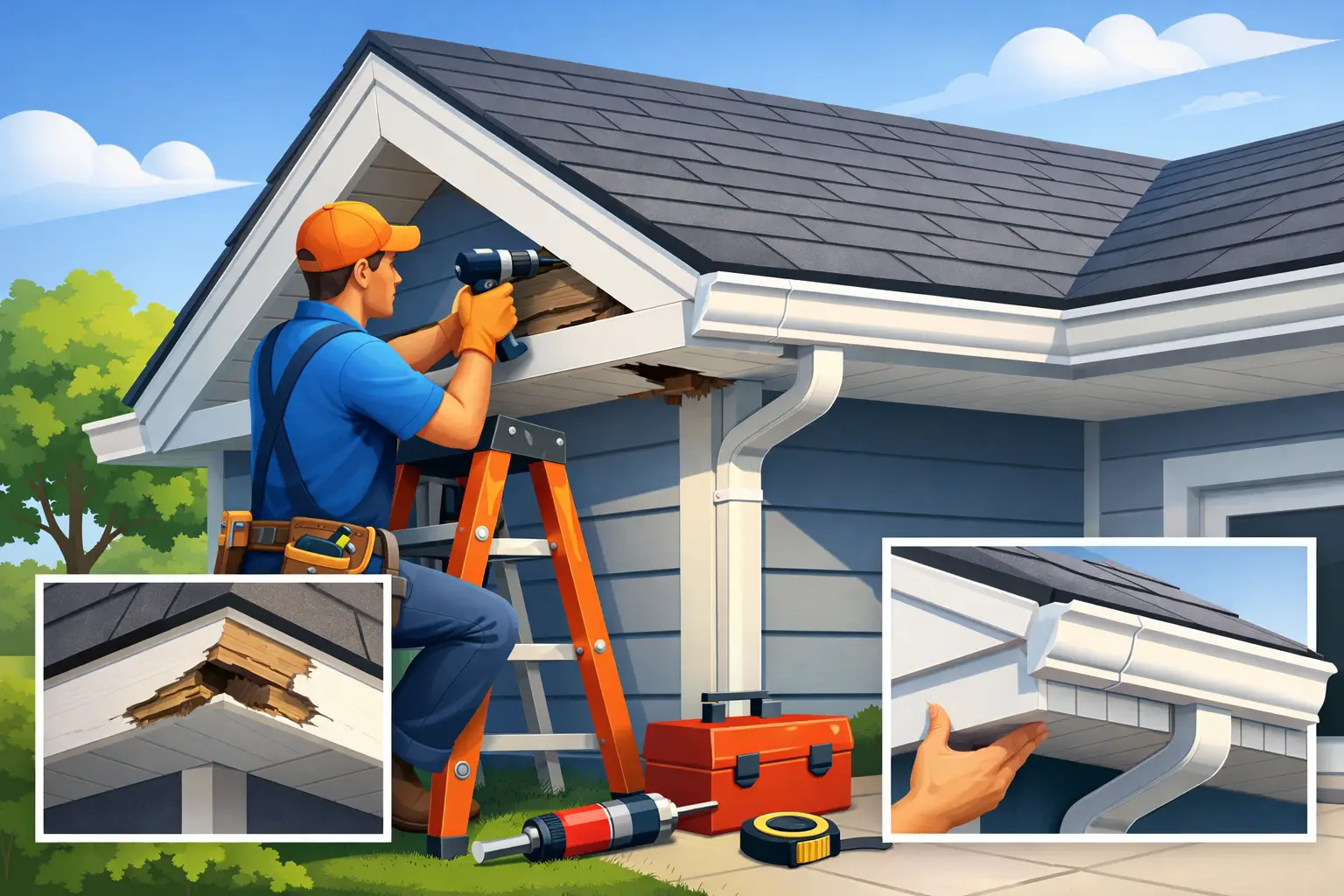
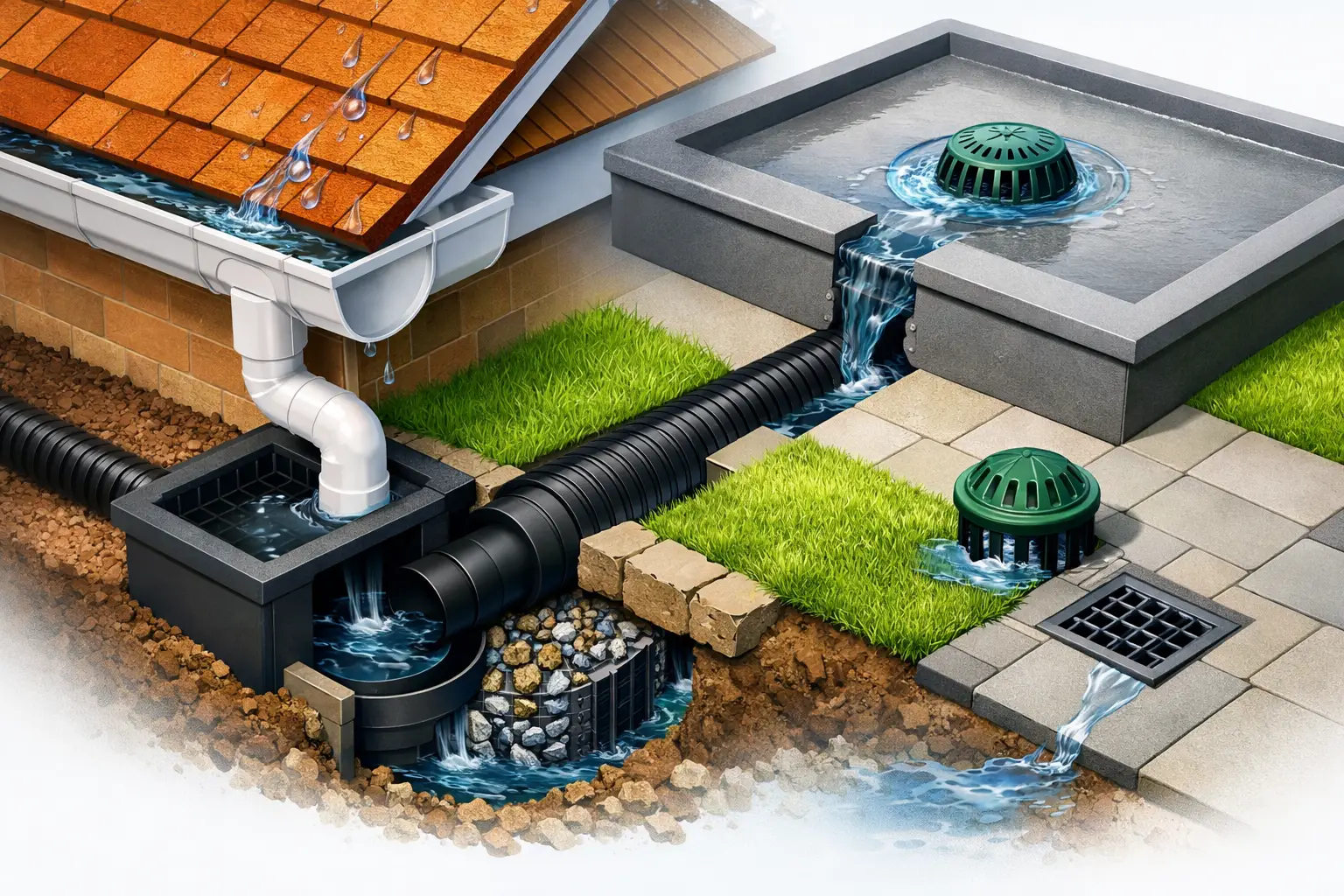
That is why a thorough roof storm damage inspection should look at the full exterior protection system. The roof surface is the starting point, but the inspection should also consider flashing, vents, valleys, ridge caps, gutters, soffit, fascia, siding, and any place where water is supposed to move away from the building.
For residential properties, that means checking whether the home envelope is still secure. For commercial buildings, it often means evaluating drainage performance, membrane condition, penetrations, and any areas where pooled water or wind uplift may have created hidden vulnerabilities.
The most common signs of storm damage
Some damage is easy to spot. Missing shingles, fallen tree limbs, metal dents, and visible leaks usually tell you something happened. The harder part is recognizing the less dramatic warning signs that still require action.
Wind damage often shows up as lifted, creased, or loosened shingles. A roof can still look mostly intact from the yard while the adhesive strip has failed in multiple places. Once that seal is compromised, the next storm has a much easier time causing larger sections to tear away.
Hail damage depends on the roofing material. On asphalt shingles, it may appear as dark impact marks, granule loss, soft bruising, or cracked surfaces. On metal roofing, hail often leaves visible dents, though not every dent affects function the same way. Cosmetic damage and functional damage are not always identical, which is why the inspection has to be objective.
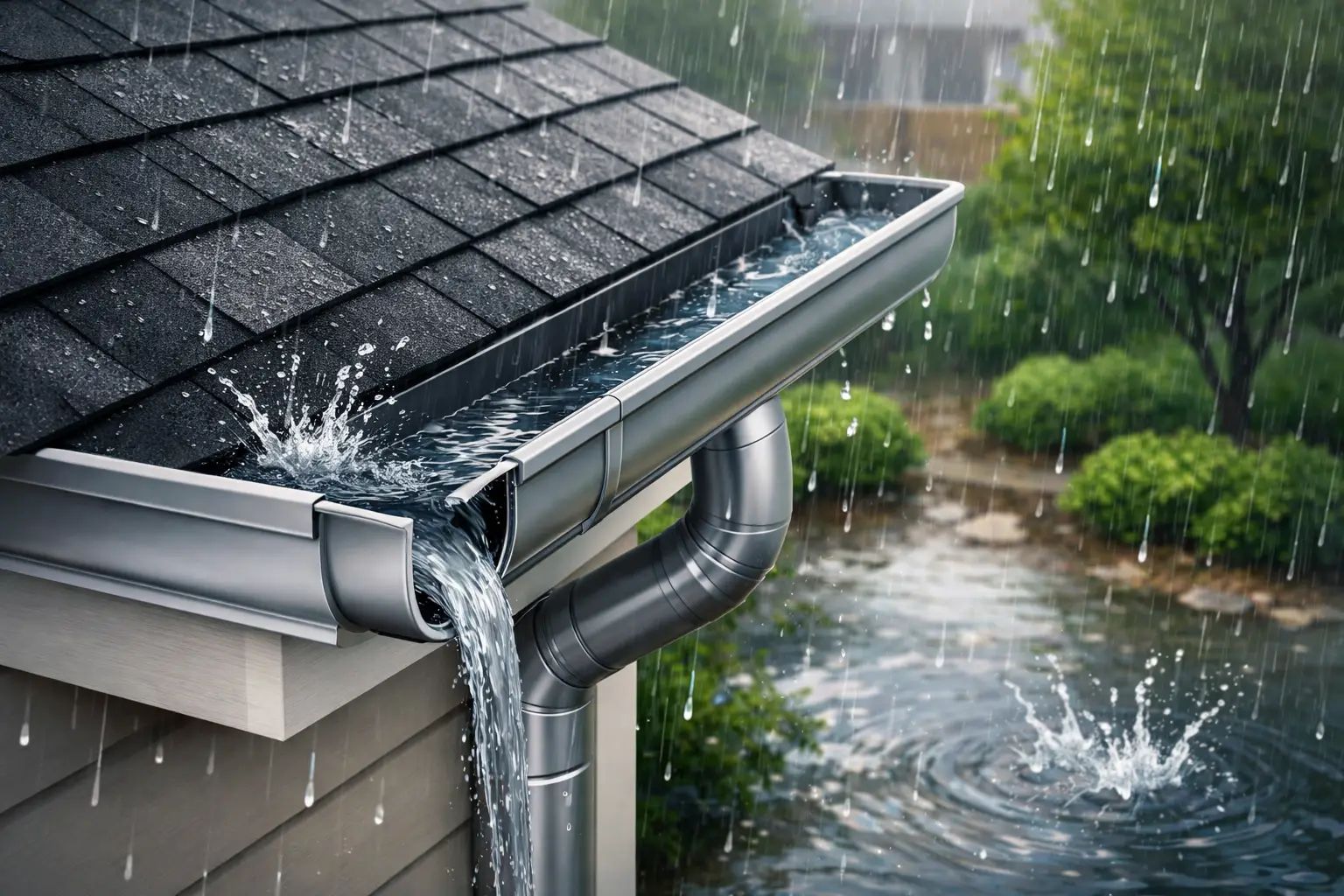
Water intrusion is another red flag, but it does not always start as a ceiling stain. You may notice damp insulation, musty smells in the attic, bubbling paint, or water marks around vents and wall intersections. Gutters pulled loose by debris or impact can also create drainage issues that push water back toward the roofline.
Why timing matters after a storm
Waiting can make a straightforward repair harder to document and more expensive to fix. Storm damage tends to worsen in stages. A small opening allows moisture in. Moisture affects decking, underlayment, insulation, and interior finishes. What could have been handled early as an isolated repair can become a broader restoration project.
Timing also matters for practical reasons. If insurance is part of the conversation, good documentation early on helps establish what the storm did and what conditions were directly related. Delaying too long can blur that picture, especially after repeated weather exposure.
In Minnesota, this issue is even more relevant because one season can stack problems on top of each other. A summer hail event may weaken the roof, then winter ice and freeze-thaw cycles push those weak points further. By the time the leak appears indoors, the original storm damage may be much broader than expected.
What you can safely check yourself
There is value in doing a basic ground-level review after severe weather. It helps you catch obvious issues quickly and decide whether to schedule professional help. From the ground, look for missing shingles, exposed underlayment, dented vents, detached gutters, scattered roofing granules near downspouts, and debris impact around the home.
Inside, check the attic and upper ceilings for moisture, staining, or daylight showing through where it should not. Pay attention to sudden drafts, damp insulation, or odors that were not there before the storm.
That said, there is a line between being proactive and putting yourself at risk. Climbing onto a storm-damaged roof is not a smart tradeoff for most property owners. Wet surfaces, hidden soft spots, and wind-loosened materials create real safety hazards. Even if you do not fall, you can cause more damage by walking in the wrong place.
Why professional inspections catch more
A trained inspector knows where storm damage hides and how different materials fail. That matters because roofing problems are not always dramatic. A cracked seal, a punctured flashing boot, or a bruised shingle mat can be missed easily by someone without experience.
Professional inspections also bring consistency. Instead of guessing whether a mark is normal wear or storm-related damage, the evaluation should separate age, installation issues, and weather impact. That kind of clarity helps property owners make better decisions. It also reduces the chance of repairing the symptom while missing the real cause.
For many customers, another advantage is guidance. A dependable contractor does not just identify damage. They explain what is urgent, what can be monitored, and whether repair or replacement makes more financial sense. Sometimes a roof only needs targeted repairs. Other times, patching several compromised areas on an aging roof is a short-term fix that delays a more durable solution.
Inspection findings do not always mean full replacement
This is where trust matters. Not every damaged roof needs to be replaced, and not every repair is the right long-term answer. The best recommendation depends on the age of the roof, the extent of the storm impact, the condition of the underlying materials, and how likely future leaks are.
If the damage is isolated and the surrounding system is in strong condition, a repair may be the smart move. If the storm exposed widespread weakness across multiple slopes, broke shingle seals throughout the roof, or affected components that work together as a system, replacement may offer better protection and better value.
Commercial properties follow the same logic, but with additional considerations like occupancy, drainage design, membrane compatibility, and code requirements. A surface-level patch on a large low-slope section can solve one issue while leaving moisture trapped elsewhere. That is why experience with both residential and commercial roofing matters.
Insurance support can reduce stress
Storm restoration becomes much easier when the inspection is documented clearly. Photos, condition notes, and a scope of damage help property owners understand what happened and what steps come next. If a claim is involved, having a contractor who understands the process can save time and reduce confusion.
That does not mean every storm issue turns into an insurance claim or should. It depends on the level of damage, your policy, and the cost of corrective work. But when insurance is part of the project, strong documentation and clear communication can prevent delays and misunderstandings.
This is one reason many property owners prefer working with a contractor that can guide the process from inspection through repairs or restoration. The fewer handoffs, the easier it is to keep the work organized and the expectations clear.
Choosing the right contractor for a roof storm damage inspection
Credentials matter, but so does how the company handles the customer experience. You want an inspection that is thorough, honest, and backed by workmanship you can trust if repairs or replacement are needed. That means looking for a contractor with proven storm restoration experience, strong manufacturer relationships, warranty backing, and a reputation for clear communication.
A good inspection should leave you with answers, not more uncertainty. What was damaged? How serious is it? What needs immediate attention? What are the next options? Those are the questions that should be addressed plainly.
For Twin Cities property owners, that local experience has real value. Regional weather patterns, ice concerns, hail frequency, and seasonal timing all affect how roofs age and how storm damage should be evaluated. A contractor familiar with those conditions is better positioned to spot issues early and recommend repairs that hold up.
Roofs R Us approaches storm damage inspections with that full-picture mindset because protection is not about chasing the most obvious problem. It is about making sure your roof, drainage, and exterior components still work together the way they were meant to.
If your roof has been through a major storm, do not wait for a stain on the ceiling to tell you something is wrong. A careful inspection now can protect your home, preserve your investment, and give you a clear path forward before the next round of weather arrives.