Table of Contents
ToggleWater usually tells you there is a problem long before your roof does. It spills over the gutter edge during a hard rain, pools near the foundation, stains soffit and fascia, or leaves icicles hanging where they should not be. Good gutter and roof drainage solutions are not cosmetic upgrades. They are part of the protection system that keeps your home dry, your roof structure sound, and your exterior from wearing out early.
In Minnesota, that matters even more. Heavy rain, snow load, freeze-thaw cycles, and ice dams can all expose weak points fast. If drainage is undersized, poorly pitched, clogged, or disconnected from the rest of the roofline, water starts going where it was never meant to go.
Why gutter and roof drainage solutions matter
A roofing system does more than keep rain off the deck. It is designed to move water off the roof quickly and in a controlled way. That includes the shingles, underlayment, flashing, valleys, gutters, downspouts, and the ground-level drainage around the property. If one piece underperforms, the whole system feels it.
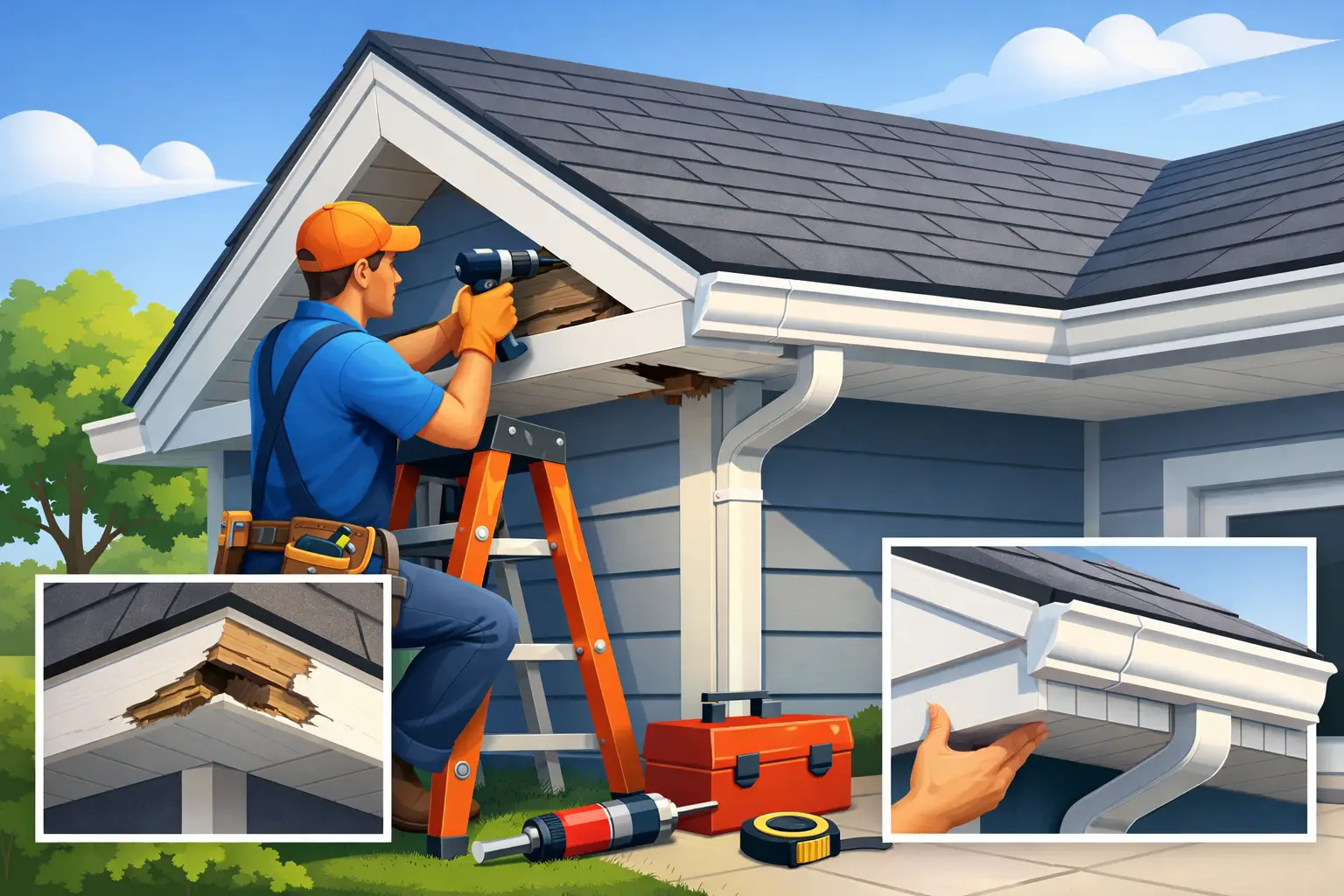
The damage is not always obvious at first. Overflowing gutters can rot fascia boards and stain siding. Poor downspout placement can saturate the soil near the foundation. Backed-up water at the eaves can contribute to ice dam formation in winter. On commercial buildings, drainage issues can shorten the life of low-slope roofing materials and create slip hazards around entrances.
The biggest mistake property owners make is treating gutters like an add-on instead of a core protection feature. A high-quality roof with poor drainage still leaves the building exposed.
The most common drainage problems we see
Some problems start with age. Gutters sag, joints separate, and fasteners loosen over time. Other problems are built in from day one, such as the wrong gutter size for the roof area or too few downspouts to handle runoff during a strong storm.
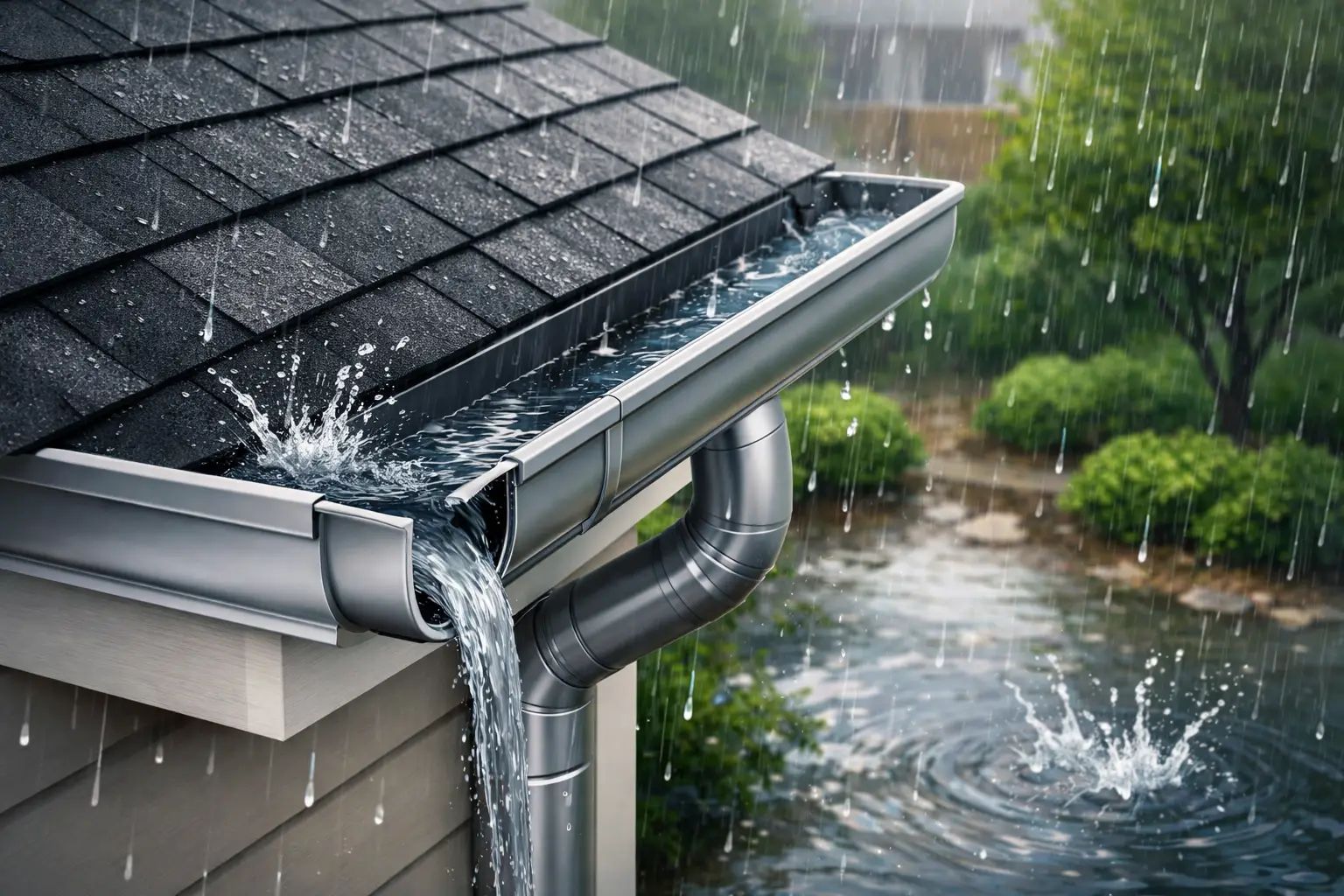
Clogging is another common issue, especially where trees drop leaves, seeds, and twigs into the system. When debris blocks the flow, water spills over the front edge or backs up under the lower roof edge. In colder climates, that trapped water can freeze and add even more weight and stress.
Pitch also matters. Gutters should slope enough to move water efficiently toward the downspouts, but not so much that they look uneven along the roofline. This is one of those details that seems small until it is wrong. Then you notice standing water, rust, premature wear, and overflow in the exact places you need protection most.
Choosing the right gutter and roof drainage solutions for your property
There is no one-size-fits-all answer. The right setup depends on your roof design, slope, square footage, tree coverage, and how water moves around the lot once it leaves the downspouts.
For many homes, seamless gutters are the best place to start. Because they have fewer joints than sectional gutters, they reduce the chances of leaks and separation over time. They also give the roofline a cleaner, more finished look. That matters for curb appeal, but more importantly, it supports long-term performance.
Gutter sizing is just as important as material. Standard systems work well for many homes, but larger roofs or steeper pitches may need oversized gutters and downspouts to keep up with runoff. If water regularly shoots over the gutter during storms, the answer may not be cleaning alone. The system may simply be too small for the volume of water your roof sheds.
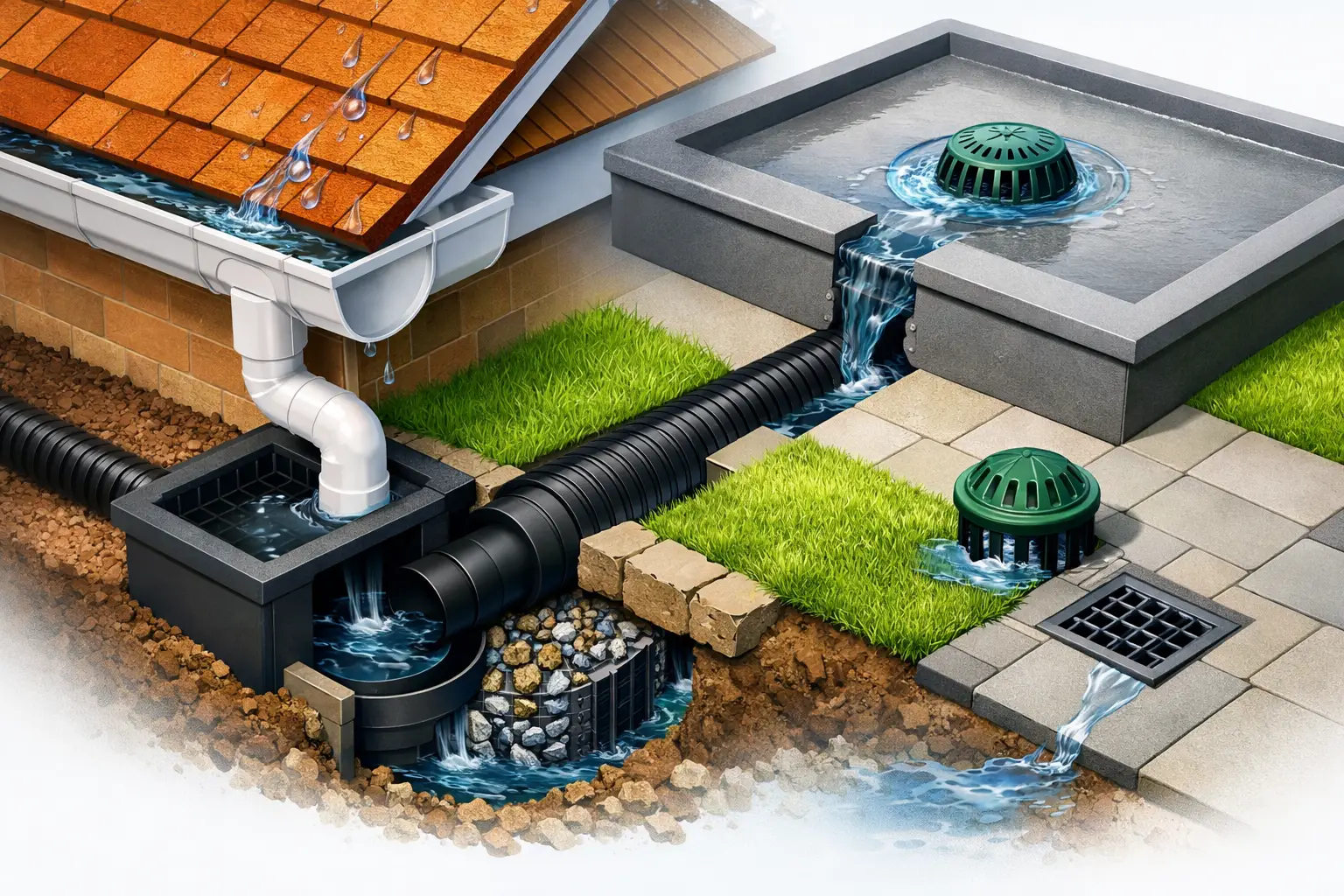
Downspout placement deserves more attention than it usually gets. Even a well-built gutter system will struggle if it does not have enough outlets to move water away fast enough. Downspouts should also discharge far enough from the home to keep water from collecting near the foundation or re-entering lower drainage areas.
When gutter guards help and when they do not
Gutter guards can reduce maintenance and help with debris control, but they are not a cure-all. On the right home, they can limit clogs and improve water flow. On the wrong home, or with the wrong product, they may still allow fine debris to build up over time.
That is why product choice matters. A protection system should match the conditions around the property, especially if mature trees drop heavy seasonal debris. Guards can be a smart part of a drainage plan, but they work best when the gutters themselves are properly sized, pitched, and installed.
Roof design changes the drainage plan
Simple gable roofs are easier to drain than homes with multiple valleys, dormers, and intersecting rooflines. The more complex the design, the more carefully water needs to be directed. Valleys can send a large amount of runoff into a concentrated section of gutter. If that section is weak, clogged, or undersized, overflow becomes much more likely.
This is where experienced installation matters. A contractor should look beyond the gutter run itself and evaluate how the full roof system sheds water under real weather conditions.
Minnesota weather raises the stakes
In the Twin Cities, drainage is not only about rain. Snowmelt and ice create a second set of challenges. When attic heat escapes and melts snow unevenly, water can refreeze near the eaves and form ice dams. Gutters packed with ice or debris make the situation worse by trapping water where it can work back under shingles.
That does not mean gutters cause every ice dam, because insulation, ventilation, and roof temperature all play a role. But drainage absolutely affects how well the roof edge handles winter conditions. If your home has a history of ice buildup, the answer may involve more than one fix. It could include improving attic performance, replacing damaged roofing components, and upgrading gutter drainage at the same time.
For homeowners, this is where a full exterior assessment pays off. Looking at the roof, gutters, soffit, fascia, and ventilation together gives a much clearer picture than treating each issue separately.
Residential and commercial needs are different
On a home, the goals are usually straightforward: protect the roofline, prevent leaks, reduce maintenance, and move water away from the house cleanly. Appearance matters too, since gutters are visible from the street and can either support or hurt curb appeal.
On commercial properties, drainage can become more complex. Flat and low-slope roofs need carefully designed paths for water movement, and even a small area of ponding can turn into membrane stress, interior leaks, or long-term deterioration. The right solution may involve internal drains, scuppers, tapered insulation, exterior gutters, or a combination of systems.
The main point is that drainage should be planned for the building type, not guessed at. What works on a single-family home may not be appropriate for an office, retail building, or multi-unit property.
What to expect from a professional evaluation
A proper inspection should look at more than visible overflow. The contractor should assess gutter condition, fastening, pitch, joint performance, downspout capacity, roof runoff patterns, fascia condition, and signs of water intrusion. They should also look at where the water ends up once it hits grade.
This matters because symptoms often show up away from the real cause. A basement moisture issue might begin with short downspout discharge. Peeling exterior paint may trace back to repeated gutter overflow. A roof edge problem may come from trapped winter moisture rather than failed shingles alone.
A dependable contractor will explain what needs immediate attention, what can be monitored, and what upgrades would provide the best long-term value. That clarity helps property owners make informed decisions instead of reacting to the next storm.
Repair vs. replacement
Sometimes a targeted repair is enough. Re-securing loose sections, adjusting pitch, sealing problem joints, or adding a downspout can restore performance if the system is otherwise in good shape. If the gutters are older, leaking in multiple places, pulling away from the fascia, or repeatedly clogging because of poor design, replacement often makes more sense.
The same logic applies to the roofline around the gutters. If fascia or soffit has been compromised by long-term water exposure, replacing the gutter without addressing the surrounding damage leaves part of the problem behind.
For that reason, many property owners benefit from working with a contractor who understands the full exterior system, not just one isolated component. Roofs R Us approaches drainage as part of the broader protection strategy, which is the right way to think about lasting results.
The best drainage plan is the one that fits your building, your weather exposure, and your long-term goals. If your gutters overflow, your downspouts dump water too close to the structure, or winter ice keeps returning to the same roof edge, it is worth having the whole system evaluated before small warning signs become expensive repairs.