Table of Contents
ToggleA roof edge packed with thick ice is not just a winter nuisance. For many Minnesota property owners, it is the moment they start asking about ice dam removal cost because they know the real expense is often what happens if the problem sits too long – wet insulation, stained ceilings, damaged shingles, and repeat problems next winter.
If you are pricing removal, the smartest approach is not looking for one flat number. Ice dam pricing varies because no two roofs, no two buildup patterns, and no two risk levels are the same. A small section of ice over a garage is one thing. Heavy buildup along multiple eaves on a steep roof is a different job entirely.
What affects ice dam removal cost?
The biggest factor is the size and severity of the buildup. A short stretch of ice at one roof edge usually takes less labor, less equipment, and less time than a long, thick dam running across several elevations. If ice has backed water under shingles or created interior leak concerns, the urgency and complexity can raise the cost as well.
Roof design matters just as much. A simple, low-slope roof with easy access is more straightforward than a steep roofline with dormers, valleys, multiple levels, or landscaping that limits ladder placement. Contractors have to price for safe access, setup time, and the care required to remove ice without damaging the roof system underneath.
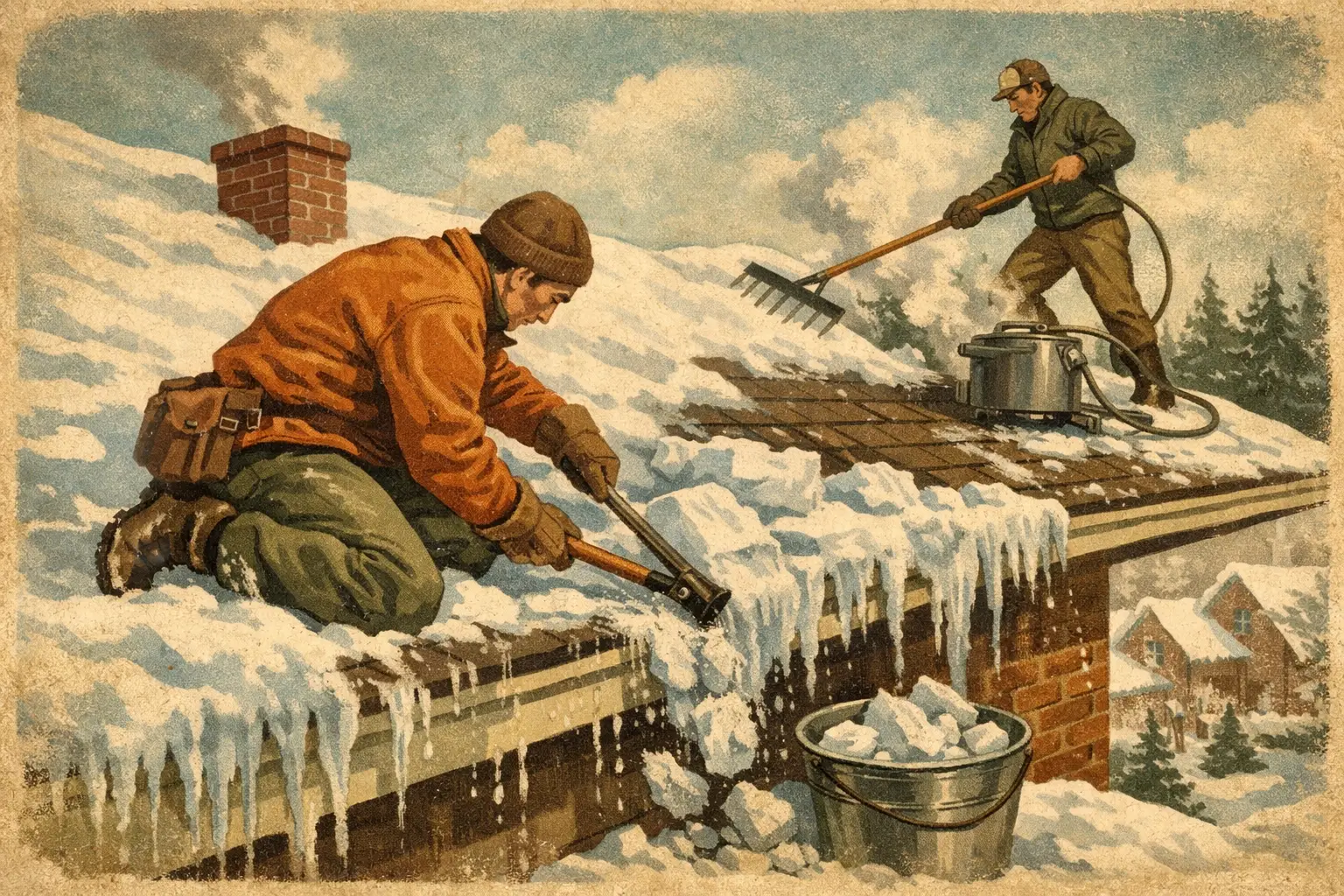
The removal method also changes the price. Professional steaming is often the preferred approach because it removes ice effectively while reducing the risk of harming shingles, gutters, and flashing. It can cost more than less precise methods, but it is usually the safer investment. If someone quotes a very low price, it is fair to ask exactly how they plan to remove the ice and what measures they take to protect the roof.
Timing plays a role too. If the buildup is minor and caught early, the job may stay relatively controlled. If the ice has been allowed to build for weeks and has spread across a larger section of the structure, labor time and risk increase. In some cases, removal becomes only one part of the job because interior moisture or exterior damage also needs attention.
Typical ice dam removal cost ranges
For many homeowners, ice dam removal cost falls somewhere in the few-hundred-dollar range for a smaller, accessible area and can move into the higher hundreds or more for larger, more difficult sections. Commercial properties or large homes with complex rooflines can exceed that.
That broad range is not meant to be vague. It reflects the reality of the work. Reputable contractors price based on conditions they can actually see, not on a generic number pulled from a search result. A trustworthy estimate should account for roof access, the extent of ice, the safest removal method, and whether there are visible signs of water intrusion.
If you are comparing bids, remember that the lowest number is not always the best value. Cheap removal can become expensive if the process tears shingles, bends gutters, damages flashing, or leaves enough ice behind to keep forcing water into the building envelope.
Why pricing can vary so much from one property to another
Two homes on the same street can have very different removal costs. One may have better attic insulation and ventilation, so the dam is limited to one section. The other may have widespread heat loss that causes significant refreezing along multiple roof edges. The second property usually takes more time and often signals a bigger underlying issue.
Snow depth matters too. Ice dams do not form in a vacuum. They typically build when heat escapes through the roof, melts snow above, and that water refreezes at the colder eaves. If removal includes dealing with heavy snow sitting above the dam, labor increases. The more buildup there is, the more carefully the contractor must work.
Property layout can also affect the final number. Fenced yards, narrow side access, decks, landscaping, and attached structures can all make setup slower and more difficult. On commercial buildings, additional safety planning, roof height, and access points can influence price as well.
What you are really paying for
When people focus only on the number, they can miss the real value of professional removal. You are not just paying for ice to disappear. You are paying for a trained crew to remove it in a way that protects the roof, limits further water intrusion, and reduces the chance of creating a bigger repair bill.
That matters because DIY removal often goes wrong in predictable ways. Chipping at ice with tools can break shingles. Pulling on gutters can loosen fasteners or bend sections out of alignment. Throwing down products without understanding the roof system can create uneven melting while water still backs up where you do not want it.
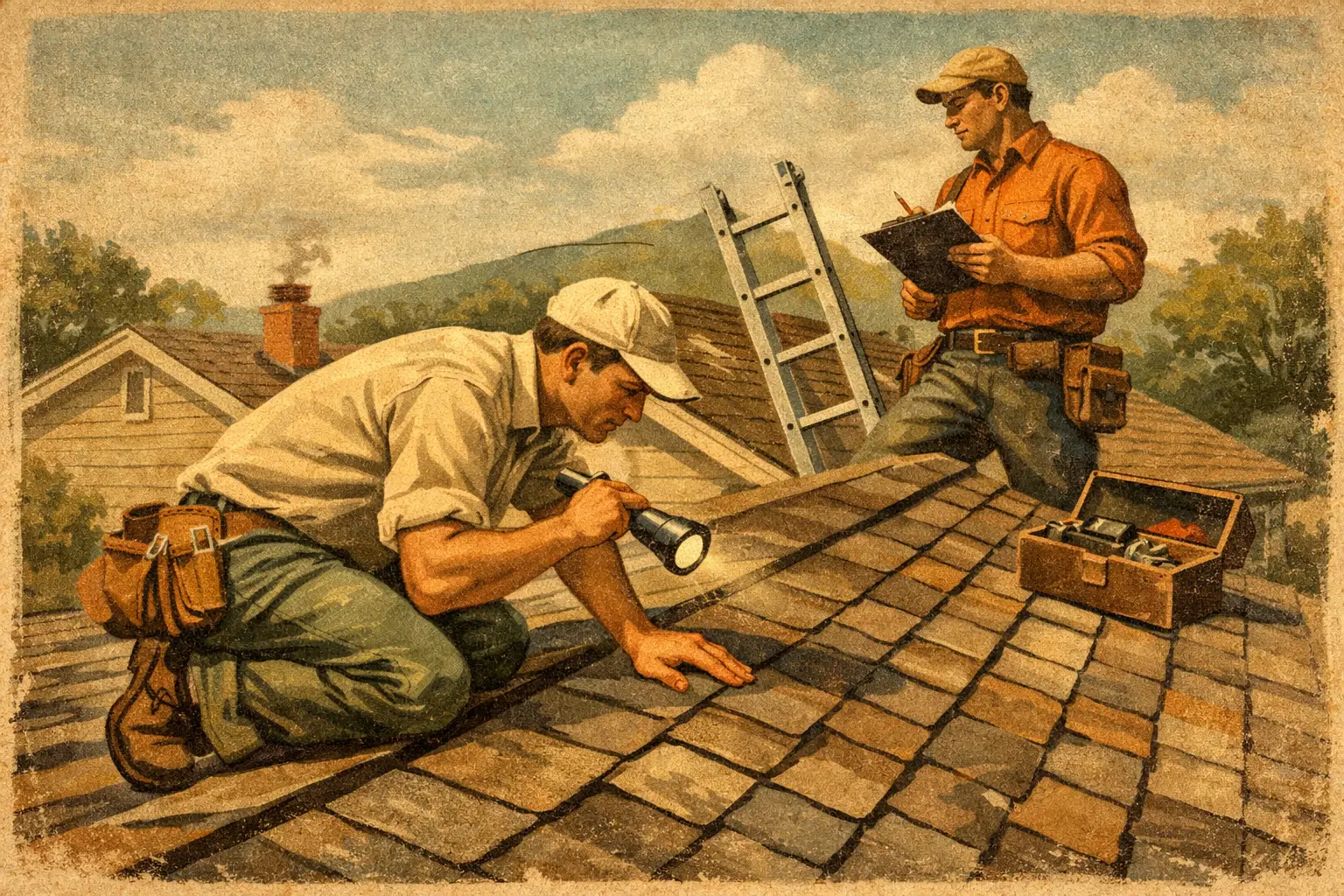
Professional work should start with evaluation, not guesswork. A contractor needs to identify where the ice is forming, how severe the blockage is, what materials are in place at the eaves, and whether the visible problem points to ventilation or insulation deficiencies that should be corrected later.
Ice dam removal cost vs. the cost of waiting
This is where many owners shift from price shopping to risk management. Delaying removal can save money for a few days, but it can also lead to soaked insulation, stained drywall, mold concerns, damaged trim, and roof deck deterioration. Those costs can outpace the removal bill quickly.
Water from ice dams rarely stays contained to one obvious spot. It can travel along framing, show up away from the source, and create hidden damage before you ever see a ceiling stain. By the time interior signs appear, the roof system may already be dealing with more moisture than expected.
That is why prompt action is often the more cost-effective choice, especially during a Minnesota winter. A controlled removal job is usually far less disruptive than a chain of repairs affecting roofing, insulation, ceilings, paint, and trim.
Ask these questions before approving a quote
A quality estimate should feel clear, not rushed. Ask how the contractor plans to remove the ice, whether the quote includes site cleanup, and what signs of roof damage or water intrusion they will be watching for during the job.
It is also smart to ask whether the estimate covers only removal or if it includes recommendations to help prevent the problem from returning. Removal handles the symptom in the moment. Long-term protection usually requires looking at attic insulation, ventilation, air sealing, roof condition, and drainage details.
If the contractor identifies weak points in the roofing system, that is useful information, not upselling by default. Ice dams are often a warning sign that the home is losing heat or that the roof assembly is not performing the way it should.
How to reduce future ice dam costs
The most effective way to control future ice dam removal cost is to reduce the conditions that allow dams to form in the first place. That usually means improving attic insulation, air sealing heat-loss areas, confirming proper ventilation, and making sure the roof and gutter system are in good shape.
This is where experienced roofing guidance matters. A short-term removal job may solve the immediate issue, but if your roof keeps developing dams every winter, it is time to look at the full system. Repeated ice buildup is often a sign that the house is paying for the same problem again and again.
For some properties, prevention may involve targeted roofing repairs. For others, it may point to broader upgrades tied to reroofing, attic performance, or exterior drainage improvements. The right answer depends on the age of the roof, how often dams occur, and whether leaks or heat loss are already affecting the home.
When a higher quote may be the better choice
A higher quote is not automatically better, but there are times when it reflects a more careful scope of work. If one contractor is accounting for safe access, professional steaming, roof protection, and a more complete assessment while another is offering a quick, low-cost fix, the price gap may make sense.
This is especially true on premium roofing systems or homes where preserving shingles, flashing, fascia, and gutters matters. Cutting corners during removal can create damage that shortens roof life and increases repair needs later. Paying more for a careful job can protect the larger investment sitting underneath the ice.
A dependable contractor should also be able to explain the trade-offs clearly. If there is a lower-cost option, they should tell you what it does and does not solve. If there is a more complete solution, they should explain why it may save money over time.
When you are evaluating ice dam removal cost, the best question is not just How much does it cost today? It is What does this service protect me from tomorrow? That is usually where the smartest decision becomes clear.