Table of Contents
ToggleIf you’re staring at missing shingles, water stains, or a roof that’s simply reached the end of its life, one question usually comes up fast: how long does roof replacement take? The short answer is that many residential roof replacements are completed in 1 to 3 days. The real answer depends on your roof’s size, slope, material, weather conditions, and whether the crew uncovers hidden damage once the old roof comes off.
For homeowners, the timing matters for more than convenience. You want to know how long your home will be exposed, how much disruption to expect, and whether the project will drag on for a week or be wrapped up before the weekend. A good contractor should give you a clear schedule, explain what could affect it, and keep the project moving without cutting corners.
How long does roof replacement take for most homes?
For a typical single-family home, roof replacement often takes 1 to 3 working days once installation begins. Smaller, straightforward asphalt shingle roofs can sometimes be finished in a single day. Larger homes, steeper roof lines, or more complex layouts usually take longer.
That said, the installation day count is only part of the full timeline. From inspection to final cleanup, the overall process can take anywhere from a few days to a few weeks depending on scheduling, material availability, permit requirements, and weather. If you’re planning around a sale, insurance claim, or other exterior work, that broader timeline matters just as much as the install itself.
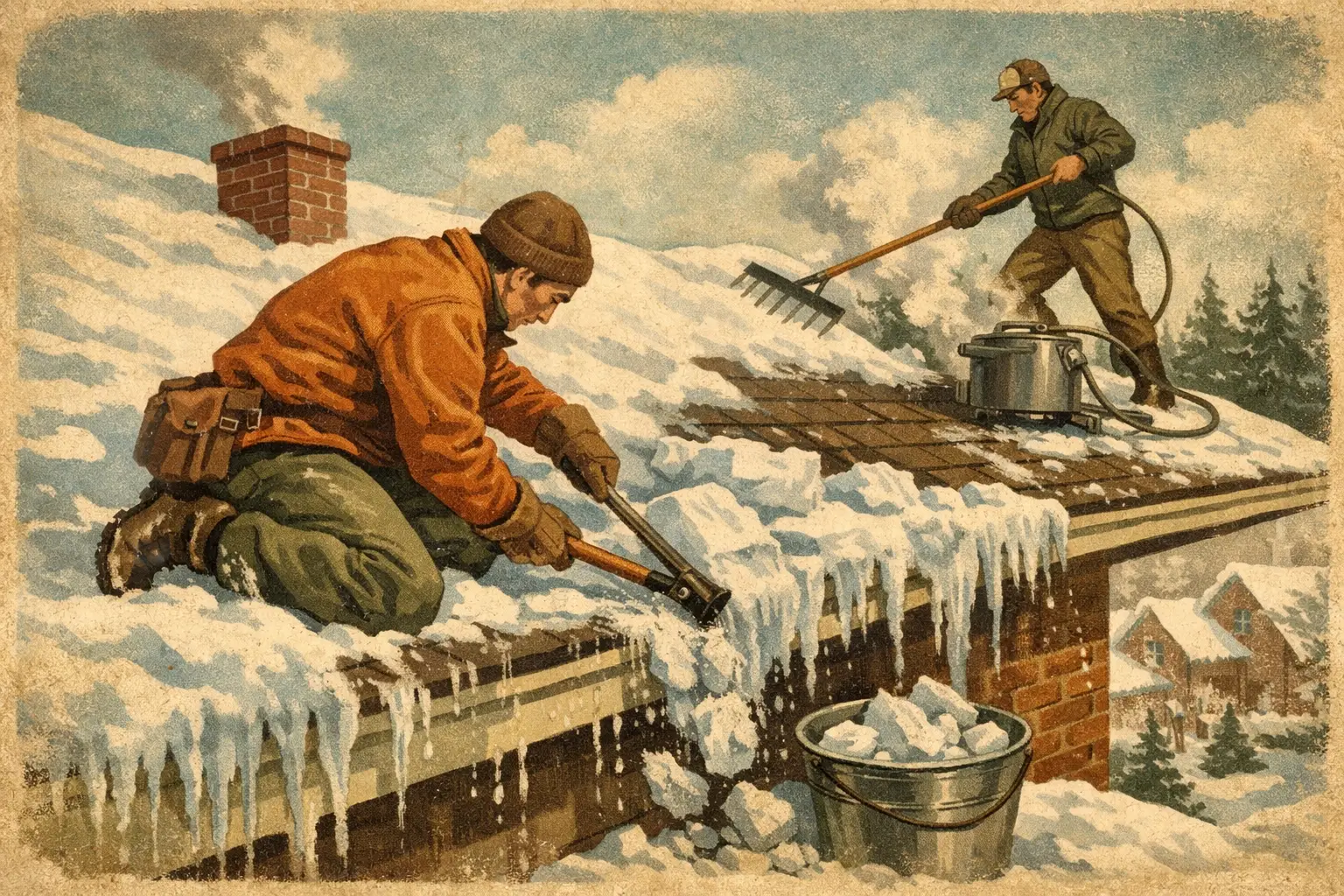
In Minnesota, weather can be a major factor. Rain, high winds, or sudden temperature swings can push work back, even when a crew is ready to go. That is not a sign of poor planning. It is often a sign that your contractor is protecting the quality of the installation.
What affects how long a roof replacement takes?
The biggest variable is roof size. A modest ranch home with a simple roof shape is much faster to replace than a large two-story home with multiple valleys, dormers, and steep sections. More square footage means more tear-off time, more material handling, and more detail work.
Roof complexity can add even more time than size. Chimneys, skylights, ventilation components, flashing transitions, and intersecting roof planes all require precision. These areas are where quality matters most, because they are often the first places leaks develop if the installation is rushed.
Material choice also changes the timeline. Asphalt shingles are generally the fastest to install and the most common for residential homes. Metal, cedar, tile, and some low-slope commercial systems usually take longer because they involve different fastening methods, layouts, or specialty detailing.
Another factor is tear-off versus overlay. If your contractor is removing the old roofing down to the deck, the project may take longer than simply adding a new layer over an existing roof. However, a full tear-off often delivers a better long-term result because it allows the crew to inspect the decking and address hidden issues before the new roof goes on.
The hidden delay homeowners don’t always expect
One of the most common reasons a roof replacement takes longer than expected is decking damage. Once the old shingles and underlayment are removed, the crew may find soft spots, rot, or water-damaged wood that needs to be replaced.
This is not an unnecessary add-on. It is part of protecting the structure under your roofing system. Installing new shingles over compromised decking would put the entire roof at risk and shorten its life. A dependable contractor will show you the issue, explain the repair, and document any change in scope before moving forward.
Storm-related projects can also create timing shifts. If your roof replacement is tied to an insurance claim, approval timelines, supplement requests, and material matching can all affect scheduling. This is where having a contractor who understands the claims process can reduce delays and keep the project organized.
A realistic roof replacement timeline from start to finish
The on-site installation may only take a few days, but most projects move through several stages.
Inspection and estimate
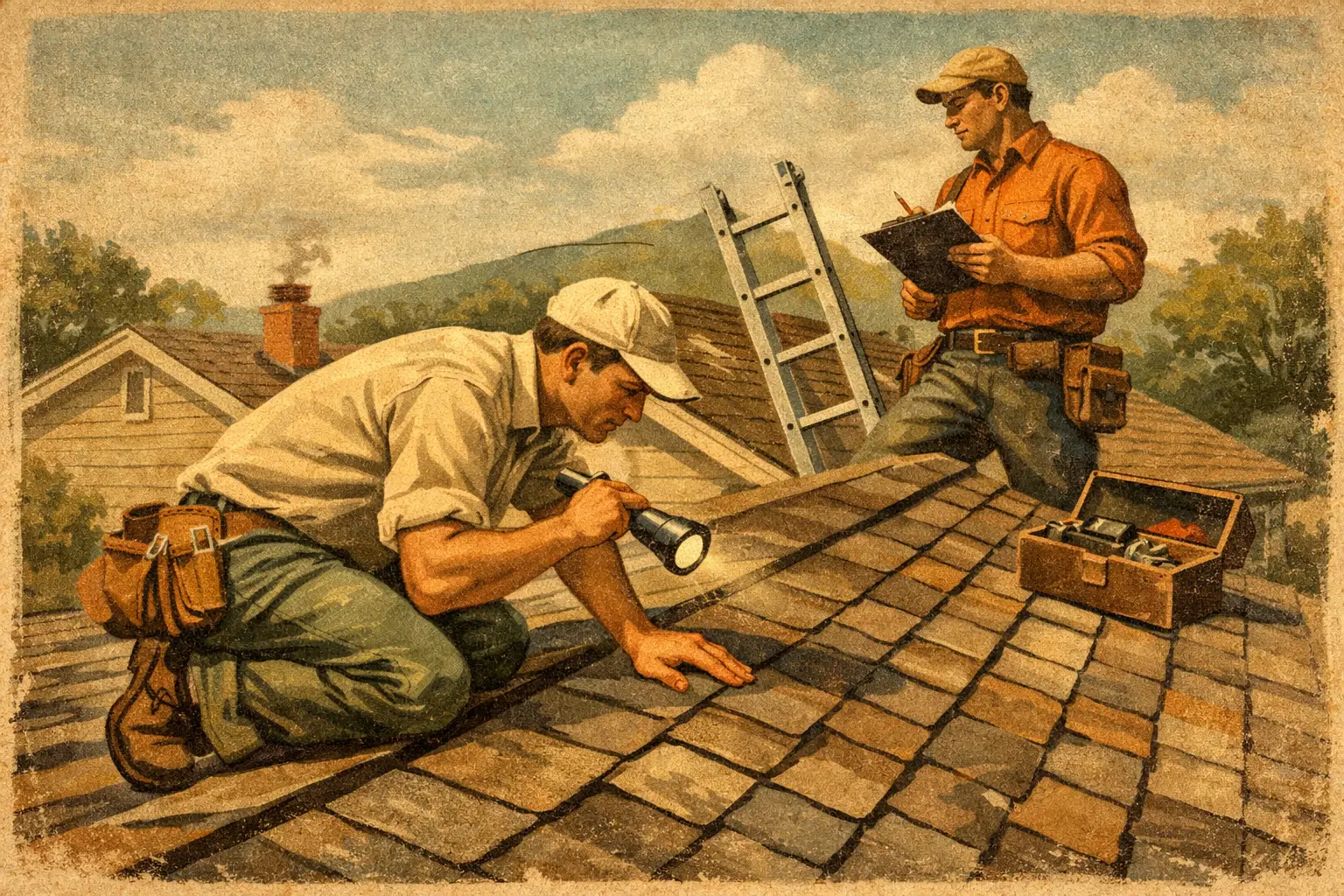
This usually happens first and can often be scheduled quickly. During this visit, the contractor evaluates your roof, looks for signs of damage or aging, measures the roof, and discusses material options. If the roof has storm damage, documentation may also be gathered for insurance purposes.
Proposal, approvals, and scheduling
Once you approve the estimate, the job moves into scheduling. Depending on the season, this can happen fast or take longer. Peak roofing months tend to fill up quickly, especially after large storms. Permits, HOA requirements, or insurance paperwork can also add time before materials are delivered and the crew is assigned.
Material delivery
Roofing materials are usually delivered shortly before installation begins. In most cases, this part is straightforward. Delays are more likely when specialty colors or premium products are involved.
Tear-off and deck inspection
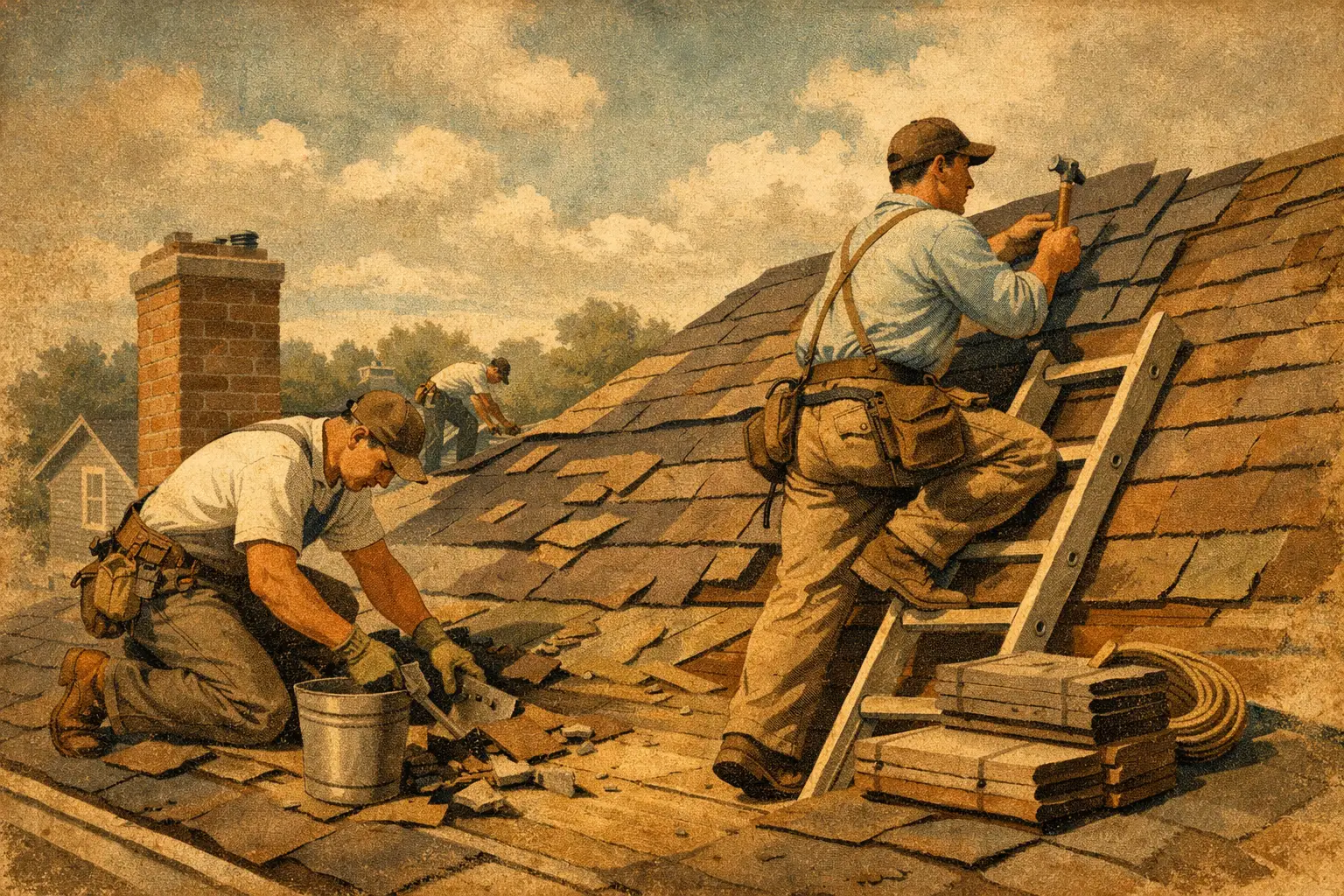
This is the first installation phase. The old roofing is removed, debris is managed, and the roof deck is inspected. If the wood underneath is sound, the crew moves on quickly. If repairs are needed, that can add several hours or an extra day.
Installation of the new roofing system
This includes underlayment, flashing, ventilation components, starter materials, and the final roof covering. A professional crew works in sequence so the roof stays protected as the system is installed.
Cleanup and final inspection
A proper roof replacement ends with thorough cleanup and a final review of the work. Magnetic sweeps for nails, debris removal, and inspection of workmanship are all part of a complete job.
How long does roof replacement take in bad weather?
Weather delays are common, and they should be taken seriously. Roofing materials need to be installed under the right conditions to perform the way they were designed to. Rain can interrupt tear-off and installation. Strong winds create safety issues and can make shingle placement less precise. Extremely cold temperatures can also affect handling and sealing.
A trustworthy contractor will not force progress just to stay on an aggressive calendar. It is better to pause than to risk improper installation. If weather interrupts a project, your roof should still be protected with proper underlayment or temporary coverings until work resumes.
Residential vs. commercial roof replacement timelines
Commercial projects usually take longer than residential ones, even when the square footage seems manageable. Access, safety planning, occupant coordination, product type, drainage design, and code requirements all add complexity.
For homeowners, the process is often more straightforward. For property managers and business owners, a replacement may need to be phased to minimize disruption to operations. That can extend the schedule, but it also helps protect the building and the people using it.
What you can do to keep your project on schedule
The contractor carries most of the responsibility, but property owners can help the project move efficiently. Prompt decisions on materials and colors matter. Fast communication during estimate approval, scheduling, and any insurance paperwork also helps avoid unnecessary delays.
It is also smart to prepare your property before installation day. Clear the driveway if needed, move patio furniture or fragile outdoor items away from the work zone, and make sure the crew has access to the areas they need. Small steps like these reduce interruptions once the project begins.
Most importantly, choose a contractor that is organized from the start. A rushed sales process often leads to a rushed install. Clear estimates, realistic scheduling, strong communication, and experienced crews are usually the best indicators that your roof replacement will stay on track.
Fast is good. Done right is better.
Homeowners naturally want a quick turnaround, and in many cases, a skilled crew can deliver one. But the best roof replacement is not just the fastest one. It is the one that protects your home for decades, uses quality materials, addresses hidden problems the right way, and leaves you confident in the result.
At Roofs R Us, that means setting clear expectations, using expert craftsmanship, and making sure the timeline supports the quality of the work – not the other way around. If your roof is showing signs of age or damage, the best next step is to get a professional assessment so you know what your project will really require and how soon it can be completed.
A roof replacement should not feel like a guessing game. With the right contractor, you get a realistic timeline, a well-managed project, and protection you can count on long after the crew packs up.