Table of Contents
ToggleA roof replacement rarely lands on your desk at a convenient time. For property managers and business owners, it usually shows up as a growing leak, a failed inspection, rising repair costs, or a tenant complaint that can no longer wait. Choosing the right commercial roof replacement company is what determines whether the project stays controlled or turns into a disruption that keeps costing you long after the crew leaves.
Commercial roofing is not just a bigger version of residential work. The stakes are different. You may be protecting inventory, tenants, equipment, employees, and daily operations all at once. That means the contractor you hire needs more than installation skills. You need a partner who understands scheduling, drainage, warranties, code requirements, safety, and how to communicate clearly from the first inspection through final cleanup.
What a commercial roof replacement company should actually help you solve
A good contractor is not there to sell you the same system they install on every building. They should help you figure out why the current roof is failing, whether replacement is truly the right move, and what system fits your building’s structure, use, and budget.
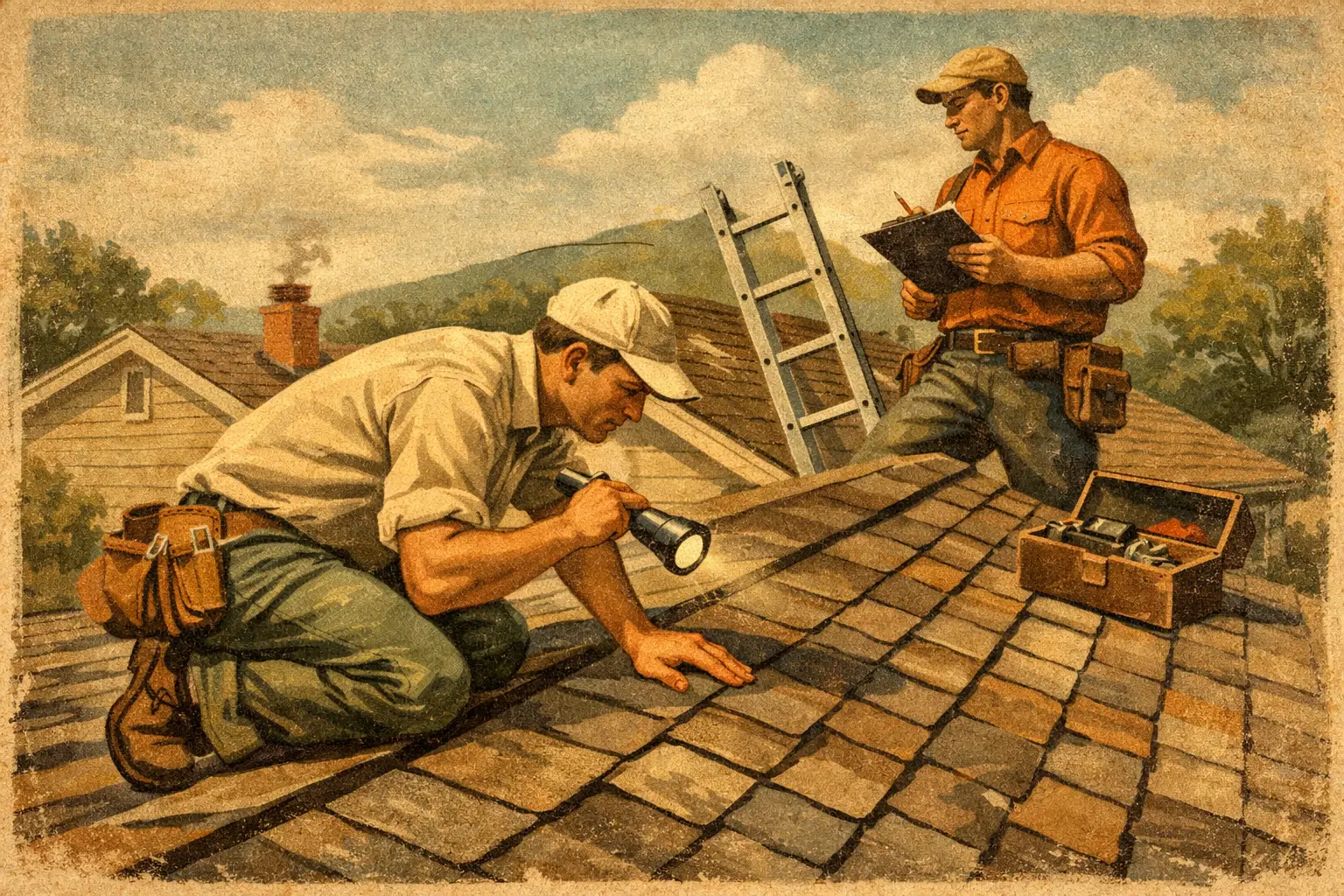
That starts with a thorough assessment. If the proposal comes after a quick glance from the parking lot, that is a problem. A proper inspection should look at membrane condition, seams, flashing, drainage, penetrations, insulation performance, soft spots, ponding water, visible interior signs of moisture, and the remaining life of the current system. In some cases, a roof may still be a candidate for repair or restoration. In others, recurring leaks are only a symptom of broader failure.
A dependable commercial roof replacement company should also explain the trade-offs. A lower upfront price can come with a shorter service life, less energy efficiency, or a weaker warranty. A premium system may cost more now but reduce future maintenance and protect the building better over time. The right answer depends on how long you plan to hold the property, what kind of activity happens inside the building, and how much interruption you can tolerate during the work.
How to evaluate a commercial roof replacement company
The most reliable contractors make the process easier to understand, not harder. They explain what they found, what they recommend, and what it will take to complete the work with as little disruption as possible.
Look for experience with occupied commercial properties
An occupied office, retail center, medical building, warehouse, or multi-tenant property brings complications that do not show up on a simple reroof. Access may need to be controlled. Deliveries may need staging plans. Noise and odors may need to be managed. Interior protection may be necessary in weather-sensitive areas. If the company cannot speak confidently about project planning, it may not have enough commercial experience.
Ask how they handle documentation and communication
You should not be chasing updates during an active replacement. A professional contractor should outline the schedule, the phases of work, safety procedures, weather contingency plans, and who your point of contact will be. They should also document existing conditions and explain what happens if hidden deck damage or wet insulation is found once the roof is opened.
This matters because commercial roofing projects often change once demolition begins. The best contractors do not promise that surprises never happen. They prepare for them, communicate quickly, and give you a clear path forward when they do.
Verify credentials, manufacturer relationships, and warranty strength
Not all warranties offer the same protection. Some cover materials only. Others include workmanship or full system coverage when installed by a qualified contractor. That difference matters if you are making a major capital investment.
A contractor with strong manufacturer certifications often has access to better training, better warranty options, and stricter quality standards. That does not replace good local reputation, but it does add another layer of accountability. For commercial property owners, that can mean stronger long-term value and less uncertainty.
The roof system matters, but so does the fit
A quality commercial roof replacement company should help you choose a system based on building performance, not sales pressure. Flat and low-slope roofs can use several different systems, and each has strengths depending on the property.
TPO is often chosen for energy efficiency and cost control. EPDM has a long track record and performs well in many applications. PVC can be a strong option where chemical exposure or grease is a concern, such as restaurants or certain industrial settings. Modified bitumen and built-up roofing may still make sense on some buildings where durability and layering are priorities.
In Minnesota, climate also matters. Freeze-thaw cycles, snow load, ice, UV exposure, and storm damage can all affect how a roof performs over time. That is why local experience matters. A contractor working in the Twin Cities should be thinking beyond installation day and planning for how the system will hold up through harsh winters and summer storms.
Pricing should be clear, not vague
If two bids are far apart, that does not automatically mean one company is overpriced or the other is giving you a deal. It often means the scope is different. One estimate may include full tear-off, insulation upgrades, edge metal replacement, warranty registration, and detailed site protection. Another may leave out critical items that become change orders later.
A trustworthy proposal should spell out what is included, what assumptions are being made, and what conditions could affect final cost. This is especially important in commercial roofing, where hidden moisture, deteriorated decking, or code-required upgrades can change the job once work begins.
Price certainty matters too. Business owners and property managers need to budget with confidence. A company that provides clear estimates and discusses risk upfront helps you make a better decision than one that simply hands over the lowest number.
Project execution is where trust is earned
Sales presentations are easy. Execution is what protects your property.
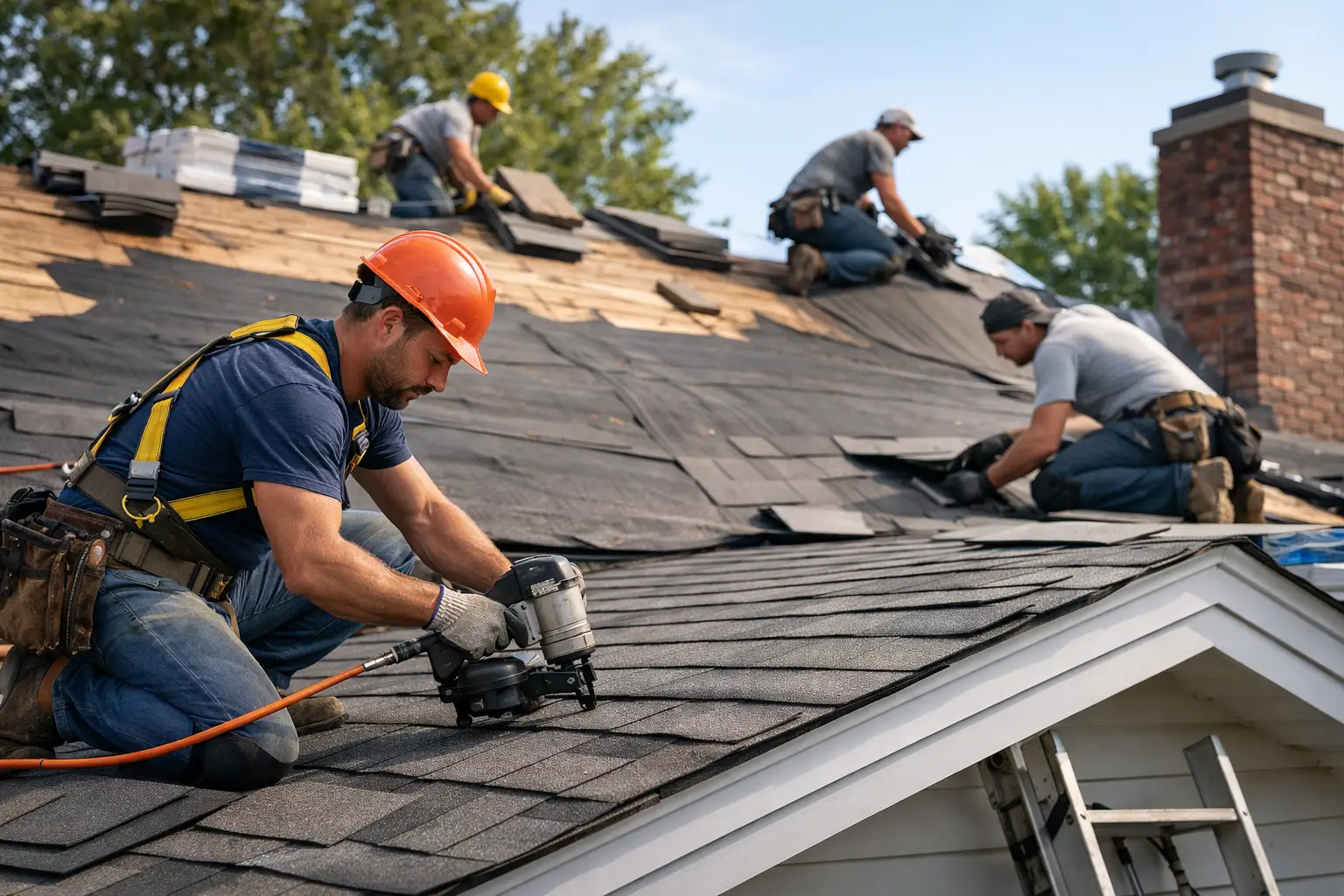
A strong commercial roofing contractor should have a plan for crew safety, site cleanliness, material staging, weather response, and daily progress. They should coordinate around your operating hours when possible and reduce exposure during tear-off so the building is not left vulnerable. They should also understand the importance of drainage details, flashing work, and penetrations, because many roof failures start at transitions, not in the field membrane.
This is also where craftsmanship shows. The best-looking proposal means very little if seams fail early, flashing is rushed, or cleanup leaves nails and debris around a customer-facing property. Attention to detail is not a bonus in commercial roofing. It is part of the product you are paying for.
Insurance, storm damage, and replacement timing
Sometimes replacement is driven by age. Sometimes a storm makes the decision for you.
If hail or wind damage is involved, it helps to work with a contractor who knows how to document damage thoroughly and communicate clearly during the insurance process. That does not mean inflating claims or making unrealistic promises. It means providing accurate inspections, professional documentation, and practical guidance so you can move forward with less friction.
Timing matters as well. Waiting too long can increase interior damage, disrupt tenants, and shrink your options. On the other hand, replacing too early can mean spending capital before it is necessary. A good contractor will be honest about where your roof stands and whether repair, restoration, or full replacement gives you the best value.
Why long-term support should influence your decision
The relationship should not end when the final invoice is paid. Commercial roofs need inspections, maintenance, and responsive service if issues come up later. A company that stands behind its work is far more valuable than one that disappears after installation.
That is one reason many property owners prefer a full-service exterior contractor rather than a company focused only on the install. If drainage, soffit and fascia, gutters, siding transitions, or storm-related exterior issues are contributing to roofing problems, a broader protection mindset can be a real advantage. Roofs R Us takes that approach by treating the building envelope as a system, not a set of disconnected repairs.
The right company makes the replacement feel manageable
A commercial roof replacement is a major project, but it should not feel like guesswork. When you have a contractor who knows how to inspect thoroughly, explain options clearly, price the work honestly, and execute without cutting corners, the path gets much simpler.
If you are comparing contractors, pay close attention to how they communicate before the project starts. That is usually the clearest preview of how they will handle your building, your budget, and your peace of mind once the work is underway. The right commercial roof replacement company will not just put a new roof on your property. They will help you protect the people, operations, and investment underneath it.