Table of Contents
ToggleThat peeling trim along your roofline is easy to ignore until it turns into a leak, a pest problem, or wood rot that spreads farther than expected. Soffit fascia repair services are often called after the damage becomes obvious, but the real value is stopping small exterior failures before they affect the roof, attic, gutters, and siding.
Soffit and fascia do more than finish the look of a home. They help protect the roof edge, support ventilation, and create a barrier against water intrusion. In Minnesota, where snow, ice, wind, and seasonal moisture put constant pressure on exterior materials, these components take a beating. When they start to fail, the issue is rarely cosmetic for long.
What soffit and fascia actually do
The fascia is the vertical board that runs along the roof edge. It gives gutters a solid mounting surface and helps shield the roof structure from weather. The soffit is the underside section beneath the roof overhang. It closes off the eaves and, in many homes, provides critical attic ventilation.
When both are in good shape, they work quietly in the background. Water is directed away from the roofline, air moves through the attic as intended, and pests have a harder time finding entry points. When they are damaged, that balance changes fast.
A cracked or rotted fascia board can loosen gutter attachment and allow water to back up near the roof edge. A deteriorated soffit can invite birds, squirrels, insects, and moisture into areas that should stay sealed and dry. If attic ventilation is blocked or compromised, heat and moisture buildup can contribute to bigger roofing problems over time.
Signs you may need soffit fascia repair services
Some warning signs are subtle. Others are easy to spot from the driveway. The challenge is that many homeowners assume the issue starts and ends with trim, when it often points to a larger moisture or drainage problem.
Peeling paint, stained wood, soft spots, sagging sections, and visible gaps at the eaves are common indicators. You may also notice gutters pulling away from the house, wasp or bird activity near the roofline, or signs of water staining near the upper walls. Inside the home, attic dampness or poor ventilation can sometimes trace back to damaged soffit panels.
Storms can accelerate damage, but age is just as common a factor. Materials exposed to years of freeze-thaw cycles, wind-driven rain, and ice dam stress eventually weaken. If the roof is aging too, the soffit and fascia may be telling you that the whole edge system needs a closer look.
Why repair matters more than most people think
Waiting usually makes these repairs more expensive. Once water gets behind damaged fascia or into open soffit sections, it can affect roof decking, rafter tails, insulation, and even siding. What starts as a repair at the eaves can grow into a broader restoration project.
There is also a curb appeal factor, especially if you are maintaining property value or preparing to sell. Clean, straight rooflines signal that a home has been cared for. Damaged soffit and fascia, on the other hand, make the entire exterior look neglected, even when the rest of the property is in decent shape.
More importantly, repair protects performance. Your gutter system depends on stable fascia. Your attic depends on proper soffit ventilation. Your roof system depends on dry, protected edges. These pieces are connected, which is why a qualified contractor should assess the whole area rather than patch one visible symptom and move on.
What causes soffit and fascia damage
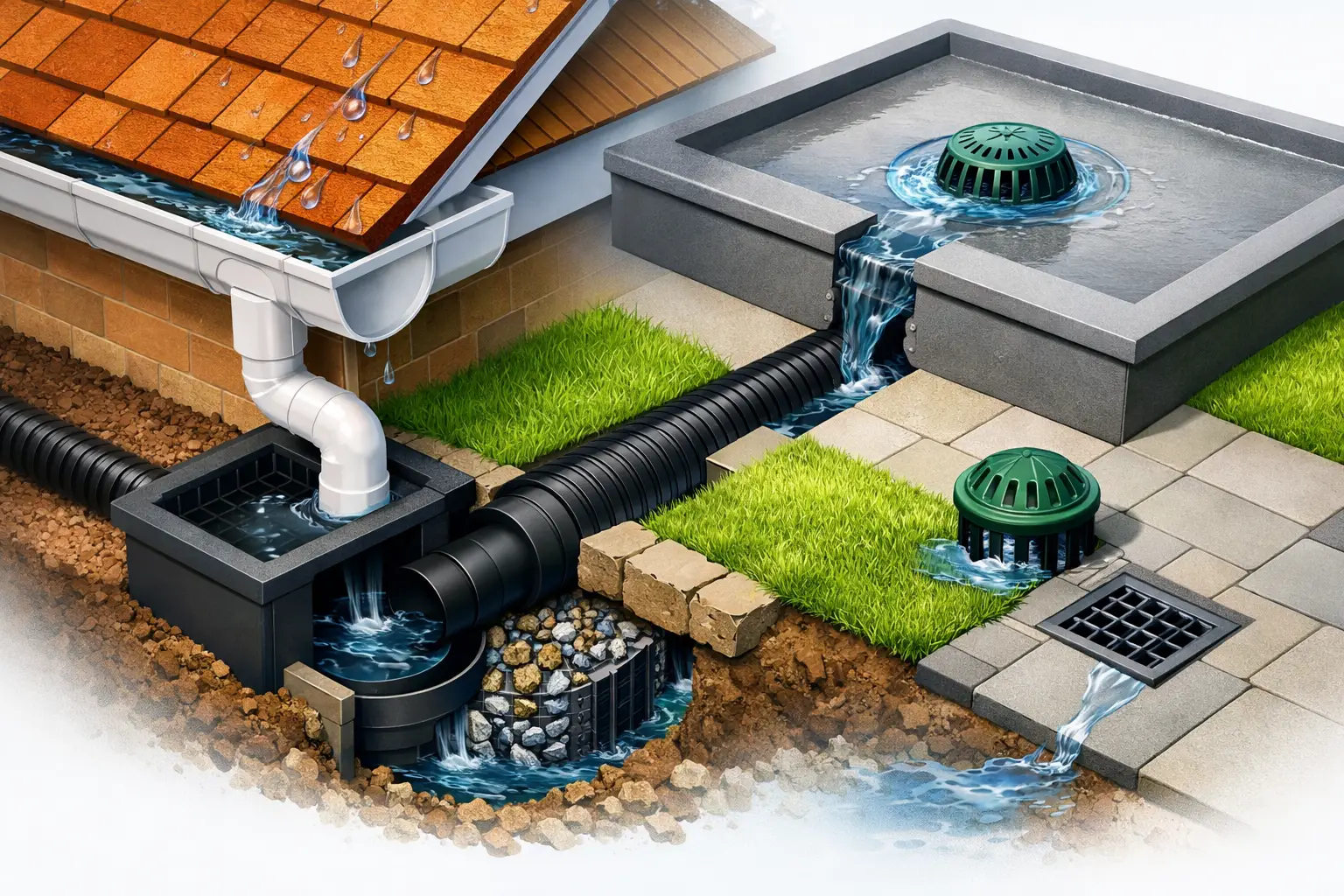
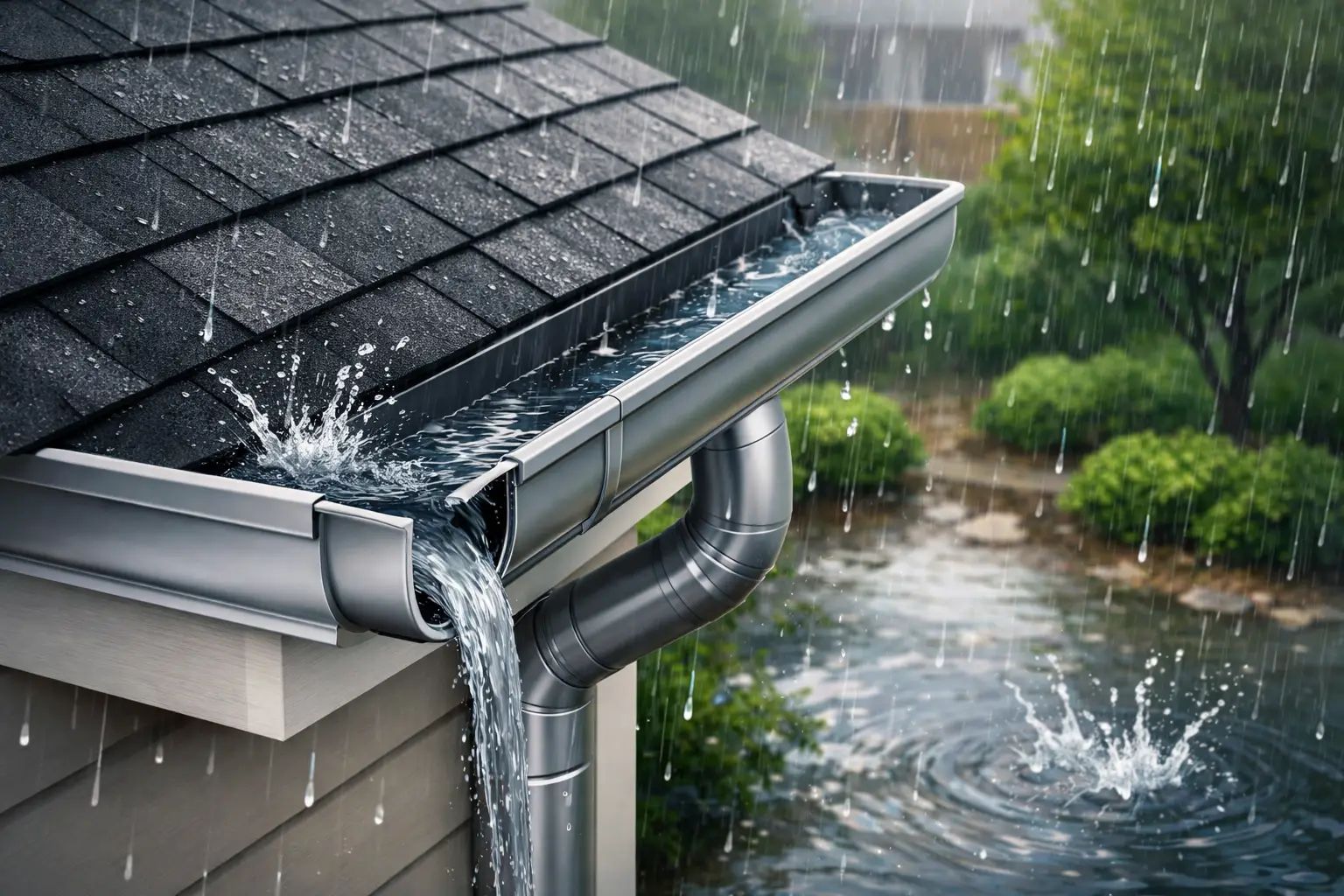
Moisture is the biggest culprit, but it is not the only one. Overflowing gutters, clogged downspouts, failed drip edges, roof leaks, and ice dams can all send water where it should not go. Over time, repeated exposure causes wood rot, paint failure, corrosion, and warping.
Poor ventilation is another common issue. If soffit vents are blocked by insulation or debris, attic heat and moisture can build up. That trapped moisture can contribute to condensation and premature material breakdown near the eaves.
Animals also cause more damage than many property owners expect. Small openings invite nesting and chewing, especially around vulnerable corners and weak panels. Once pests gain access, repairs often need to address both exterior materials and the underlying openings that made entry possible.
Sometimes the real problem is poor installation. If fascia was wrapped incorrectly, soffit panels were not secured properly, or gutters were mounted into already compromised wood, the system may fail earlier than it should. That is why repair work needs to focus on workmanship as much as replacement materials.
What to expect from professional soffit fascia repair services
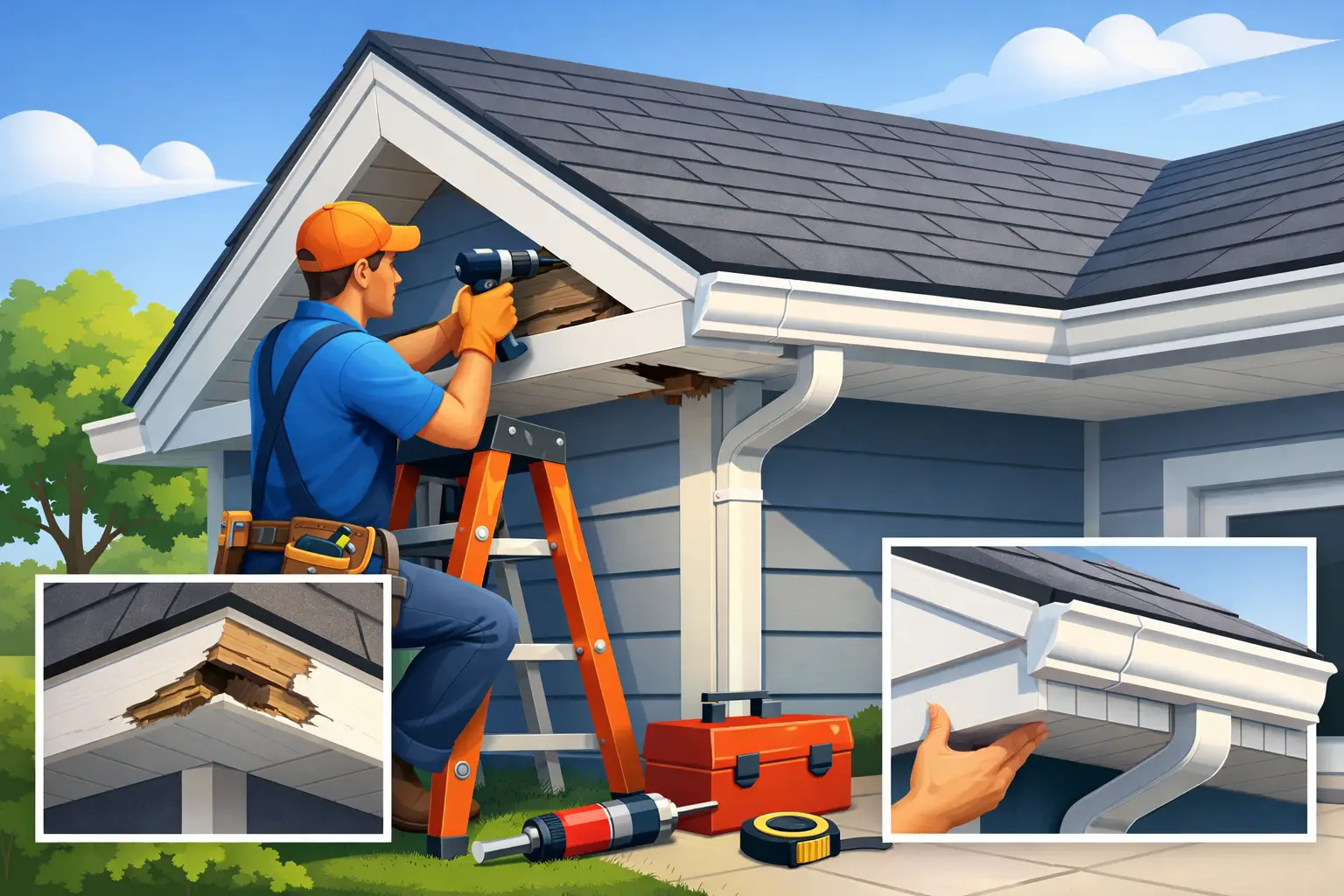
A dependable repair process starts with inspection, not assumptions. The visible damage may be limited to one section, but the contractor should check for hidden deterioration in the surrounding roof edge, gutter attachment points, ventilation pathways, and nearby siding.
From there, the scope depends on the condition of the materials. Some homes need localized replacement where damage is limited and the surrounding structure remains sound. Others need a wider repair because rot, moisture intrusion, or storm damage has spread farther than expected.
In many cases, the best result comes from addressing related components at the same time. If gutters are failing, if the roof edge flashing is compromised, or if ventilation is not balanced correctly, a stand-alone soffit or fascia repair may only be a temporary fix. A contractor with broader exterior expertise can identify where a coordinated solution makes more sense.
Material choice matters too. Wood can offer a traditional look, but aluminum and other low-maintenance materials often provide stronger long-term performance in harsh climates. The right answer depends on the home, the surrounding exterior system, and the owner’s priorities for appearance, durability, and upkeep.
Siding, gutters, and roofing all play a role
Soffit and fascia are not isolated features. They sit at the intersection of your roofing, gutter, and siding systems. If one of those systems is failing, it can create pressure on the others.
For example, a gutter that overflows because of poor drainage can soak the fascia repeatedly. A roof with damaged shingles or flashing can direct water behind the trim. Siding gaps near the eaves can allow moisture and pests to reach vulnerable edges. Looking at these components together leads to better repairs and fewer repeat problems.
That is one reason many homeowners prefer to work with a contractor that handles full exterior protection, not just one narrow trade. When repair decisions are made with the whole system in mind, the finished result is stronger and more durable.
Repair or replace? It depends on the damage
Not every issue requires full replacement. If damage is isolated, the surrounding materials are dry and stable, and the ventilation design is still working, repair can be the right investment. It restores protection without adding unnecessary cost.
Replacement becomes the smarter move when rot is widespread, multiple sections have failed, or the existing materials are near the end of their service life. It can also make sense when you are already replacing the roof, updating gutters, or correcting ventilation issues. Combining projects often improves efficiency and helps avoid disturbing newly finished work later.
For commercial properties and multifamily buildings, the decision also depends on access, material compatibility, and long-term maintenance planning. A cheaper patch may not be the best choice if it creates recurring service needs or leaves code-related concerns unresolved.
Choosing a contractor for soffit fascia repair services
This is not a job to hand off to someone who only sees it as trim work. The contractor should understand roof edges, ventilation, water management, and how exterior systems interact. Experience with storm-related damage is also valuable, especially when repairs may connect to broader insurance-supported restoration.
Look for a company that explains the cause of the damage, documents what needs attention, and gives you a clear scope of work. Good contractors do not just replace what looks bad. They help you understand why it failed and what will keep it from happening again.
For homeowners in the Twin Cities, that local experience matters. Freeze-thaw cycles, heavy snow loads, ice dams, and wind-driven rain create a very specific set of exterior challenges. A contractor that works in this environment knows what materials hold up, what installation details matter most, and where shortcuts tend to fail.
Roofs R Us approaches these projects with the same protection-first mindset used across roofing and exterior work – careful assessment, quality materials, skilled installation, and a clear plan from start to finish.
Protect the roofline before the damage spreads
Soffit and fascia problems rarely stay small forever. If your roof edge is showing signs of wear, movement, staining, or rot, getting it inspected now can save you from a much larger repair later. The best time to fix these components is when the damage is still limited and the rest of the system can still be protected.
A strong roofline does more than look finished. It helps your home shed water, breathe properly, and stay defended where weather hits first. That is a repair worth taking seriously.