Table of Contents
ToggleA low number on a roofing quote can look great for about five minutes. Then the questions start. What materials are actually included? Who handles hidden damage if it shows up? And if something fails two years from now, is anyone standing behind the work?
That is why a roof estimate with warranty matters more than a one-page price sheet. A good estimate does not just tell you what the job may cost. It shows you how the contractor plans to protect your property, what level of materials and workmanship you are paying for, and what kind of support you can expect after installation.
For homeowners and property managers, that distinction is not small. A roof is one of the biggest protection systems on the building. If the estimate is vague, the risk is usually yours. If the estimate is detailed and backed by real warranty coverage, the project becomes much more predictable.
Why a roof estimate with warranty matters
Roofing proposals are not all built the same. Some are designed to win the job fast with a bare minimum number and very little explanation. Others are built to document the scope clearly, reduce surprises, and give you confidence that the contractor will stand behind the finished system.
A roof estimate with warranty helps in three ways. First, it forces clarity. You can see whether tear-off, underlayment, flashing, ventilation, cleanup, and disposal are included instead of assuming they are. Second, it gives you a way to compare value rather than comparing price alone. Third, it tells you whether the company is prepared to own the outcome after the crew leaves.
That last point is where many buyers get caught off guard. The roof itself may carry a manufacturer warranty on materials, but that does not automatically mean the installation is covered in a meaningful way. If the workmanship warranty is weak, limited, or hard to enforce, your protection may not be as strong as you think.
What should be in the estimate
A professional roofing estimate should read like a clear project plan, not a rough guess. It should identify the roofing system being installed, the product line, the color or style if relevant, and the major components that affect performance.
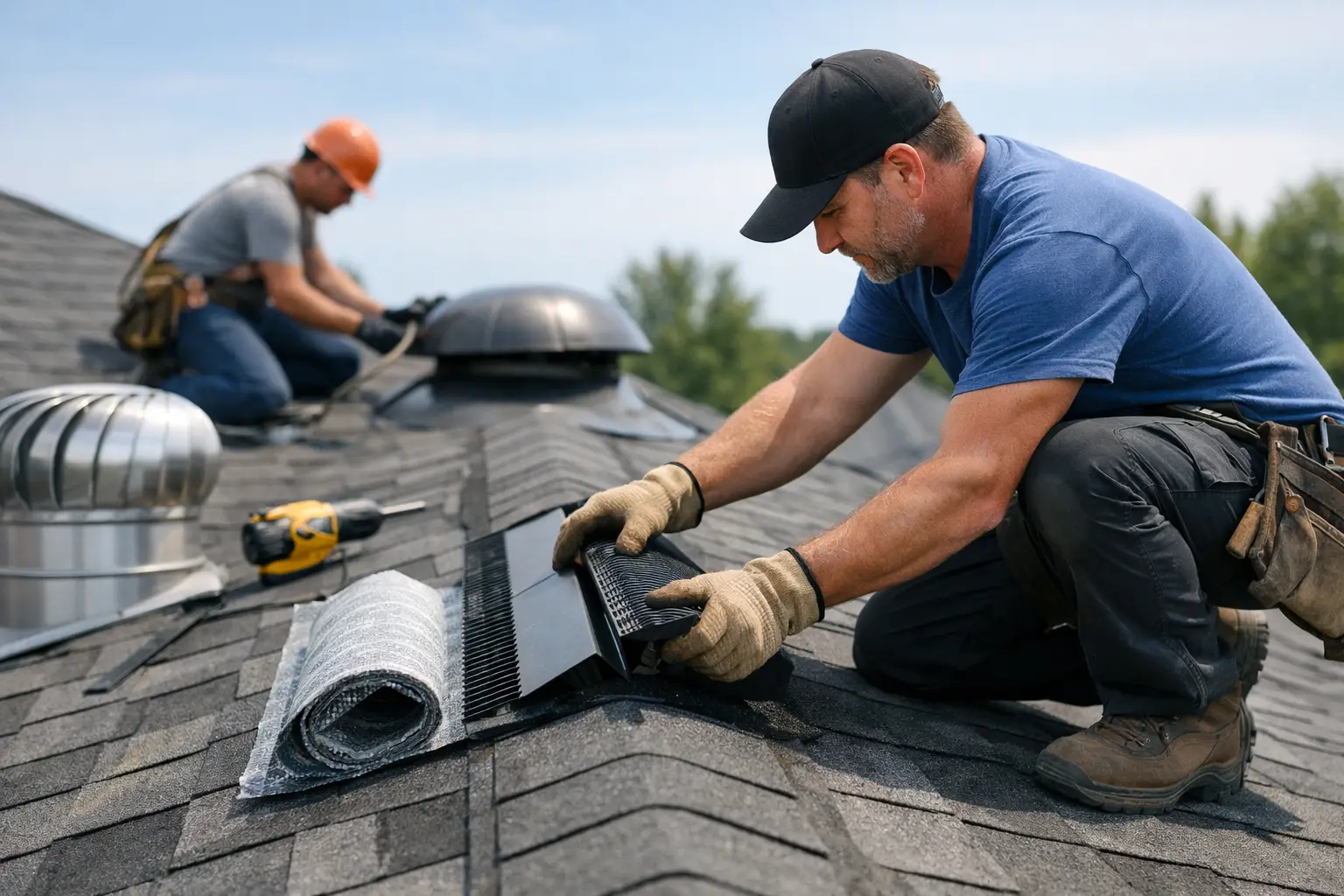
For most residential replacements, that includes tear-off of existing shingles, deck inspection, underlayment, ice and water protection, starter shingles, field shingles, hip and ridge products, ventilation components, flashing details, and site cleanup. On commercial work, the language may look different depending on the system, but the same principle applies. You want a documented scope, not broad promises.
Pricing should also be straightforward. Some contractors offer price-locked estimates, which can be especially helpful when you are trying to budget or coordinate insurance decisions. That reduces the chance of moving targets later, though any estimate can still be affected by truly unforeseen conditions such as rotten decking or code-required updates discovered during tear-off. A trustworthy contractor explains where those variables may exist instead of hiding them.
The warranty section should be specific
This is where the estimate either earns trust or loses it.
If a proposal mentions a warranty, it should say whose warranty it is, what it covers, and for how long. Material warranties and workmanship warranties are not the same thing. Material coverage typically comes from the manufacturer and addresses defects in the roofing products themselves. Workmanship coverage comes from the contractor and addresses installation-related issues.
Both matter. Even premium shingles cannot perform as intended if the roof system is installed poorly. At the same time, a contractor warranty alone may not offer the long-term product backing that some owners want. The strongest proposals usually explain how the two work together.
Look for details such as whether the warranty is limited or extended, whether it covers labor as well as materials, whether specific installation requirements must be followed to qualify, and whether registration is needed. If the estimate simply says warranty included, that is not enough.
Why the cheapest quote often costs more later
Price matters. No serious property owner ignores it. But a very low estimate often means something was stripped out of the scope, the materials were downgraded, or the installer is taking a short-term approach to win the bid.
Sometimes the missing piece is obvious, like no mention of ventilation or flashing replacement. Sometimes it is buried deeper, such as weaker underlayment, fewer accessory components from the same manufacturer, or limited workmanship coverage. These are not small details. They affect how the roof performs in wind, water, ice, and seasonal temperature swings.
That matters in Minnesota, where roofing systems deal with heavy snow loads, freeze-thaw cycles, wind, hail, and ice dam conditions. An estimate that looks competitive but ignores those realities may not be protecting the building the way it should.
Questions worth asking before you sign
A good contractor should welcome questions about the estimate and warranty. If the answers feel rushed or vague, that is useful information.
Ask whether the estimate includes full replacement of critical accessories or just the shingles. Ask what happens if damaged decking is found. Ask how workmanship issues are handled after the project is complete. Ask whether the manufacturer warranty requires a certified installer or a full system of approved components.
You should also ask who your point of contact will be during the project. A strong estimate is important, but communication matters just as much once the work starts. If you are dealing with storm damage or an insurance claim, clarity becomes even more valuable because the paperwork, scope approvals, and timing can get complicated fast.
Not all warranties offer the same protection
The word warranty sounds reassuring, but the actual protection can vary a lot.
Some warranties are prorated, which means coverage declines over time. Some cover materials but not labor. Some only apply if every installation step follows manufacturer requirements. Some are backed by stronger contractor credentials and some are only as reliable as the company that issued them.
That is why contractor qualifications matter. A company with top-tier manufacturer certifications often has access to stronger warranty options than a general installer does. For example, Owens Corning Roofing Platinum Preferred Contractor status can open the door to warranty protection that goes well beyond a basic shingle promise. That added backing is meaningful when you are making a long-term investment in the property.
How to compare two estimates fairly
When you are reviewing multiple proposals, compare them line by line. Do not assume both contractors are proposing the same roof just because the total square count is similar.
Start with materials. Are the shingle lines or roofing systems equivalent in quality? Then look at the accessories. Are ice and water barriers included in the same areas? Is ventilation addressed the same way? Are flashing details and cleanup equally clear?
Next, compare warranty language. One proposal may include a stronger workmanship guarantee or a more complete manufacturer-backed system warranty. Another may only reference standard product coverage. If one quote is higher, the reason may be stronger protection, better materials, better documentation, or all three.
There is also the issue of accountability. A detailed estimate tells you more about how a contractor operates. Companies that invest in planning, documentation, and customer communication tend to bring that same discipline to installation.
What confidence looks like in a roofing proposal
The best roofing estimates do not rely on pressure. They rely on clarity.
They show what is included, explain what could change, and define the warranty in plain terms. They do not hide behind broad language like premium materials or standard warranty. They make it easy for you to understand what you are buying and why it is worth the investment.
For many property owners, that confidence matters as much as the price itself. You are not just buying shingles or membrane. You are buying protection, project management, and the ability to call someone later and get real support if needed.
A contractor like Roofs R Us builds value here by combining expert installation, price clarity, insurance-claim support, and long-term warranty options that reflect serious manufacturer credentials. That kind of approach reduces guesswork for the customer and raises the standard for the whole project.
Choose the estimate that protects you on day one and year twenty
A roof estimate should do more than help you approve a project. It should help you avoid regret.
When the scope is clear and the warranty is specific, you can make a decision based on protection, not just price. That is the kind of estimate worth keeping on file long after the roof is finished.